



















Electrical Testing Sequence: A Comprehensive Guide to Safe and Compliant Testing
In an era where electrical safety is paramount, understanding the correct electrical testing sequence isn’t just about ticking boxes, it’s about ensuring the safety of people and properties. Whether you’re managing a commercial building, overseeing rental properties, or maintaining industrial facilities, proper electrical testing is both a legal requirement and a crucial safety measure. With electrical faults causing thousands of incidents yearly, following the right testing sequence can mean the difference between a safe installation and potential hazards lurking in your electrical systems.
Key Takeaways:
- Initial Verification and Periodic Testing follow different sequences, with Initial Verification requiring a strict order of dead testing before live testing to ensure maximum safety and accurate results
- A comprehensive electrical testing sequence includes both visual inspections and technical tests, with commercial properties and rental properties requiring regular EICR (Electrical Installation Condition Report) testing to maintain compliance
- Professional testing engineers can customise the periodic testing sequence based on specific installation requirements while ensuring all essential components—from continuity testing to RCD operation—are thoroughly evaluated
Understanding Electrical Testing Types
When it comes to ensuring electrical safety, there are two distinct types of testing sequences that electrical professionals must understand: Initial Verification and Periodic Testing. Each serves a unique purpose in maintaining the safety and compliance of electrical installations.
Initial Verification Testing
Initial Verification testing is mandatory for all new electrical installations and significant alterations to existing systems. This type of testing follows a strict, sequential process where each test builds upon the successful completion of the previous one. Think of it as building a safety pyramid – each layer must be solid before moving to the next. For instance, before any live testing can occur, all dead testing procedures must be completed and passed to ensure absolute safety.
Periodic Testing and Inspection
Periodic Testing is required for existing installations and follows a more flexible approach. These tests are crucial for commercial properties and rental accommodations, where regular Electrical Installation Condition Reports (EICRs) are legally mandated. Unlike Initial Verification, the sequence can be adapted based on the installation’s specific characteristics and any issues identified during the initial visual inspection.
Key Differences Between Testing Types
The fundamental differences between these testing approaches include:
Initial Verification:
- Required for new installations or major modifications
- Dead testing must precede live testing
- Follows a strict, predetermined sequence
- Essential for establishing baseline safety standards
Periodic Testing:
- Required for existing installations
- Can be conducted in a flexible sequence
- Begins with comprehensive visual inspection
- Focuses on identifying deterioration and maintaining safety standards
Initial Verification Testing Sequence

The Initial Verification testing sequence follows a strict, methodical approach that’s divided into two main phases: dead testing and live testing. This structured sequence ensures maximum safety and accurate results during the verification process.
Dead Testing Phase
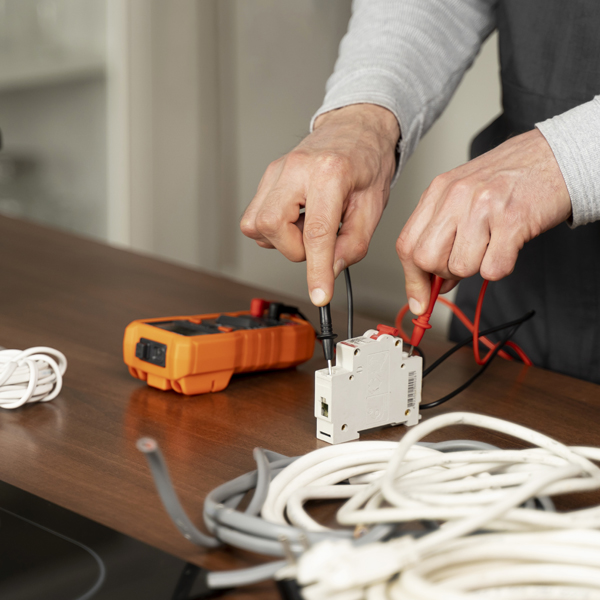
Dead testing must be completed before connecting any power supply. This phase is crucial for establishing basic safety parameters and begins with comprehensive continuity testing. This includes testing protective conductors, main bonding connections, and ring final circuit conductors.
Insulation Resistance Testing
The next critical step involves thorough insulation resistance testing between live conductors and earth. During this process, engineers must verify site-applied insulation where applicable, ensuring all minimum acceptable values are confirmed before proceeding to subsequent tests.
Protection Methods Verification
Protection verification includes:
- Checking circuit separation
- Testing barriers and enclosures
- Verifying polarity throughout the installation
Live Testing Phase
Once dead testing is successfully completed and the installation is deemed safe, live testing can commence. This phase focuses on two main areas:
Earth and Polarity Verification
Engineers must confirm correct polarity using live supply and conduct earth electrode resistance testing using an earth-fault loop tester. This ensures the installation’s earthing system is functioning effectively.
Protection Device Testing
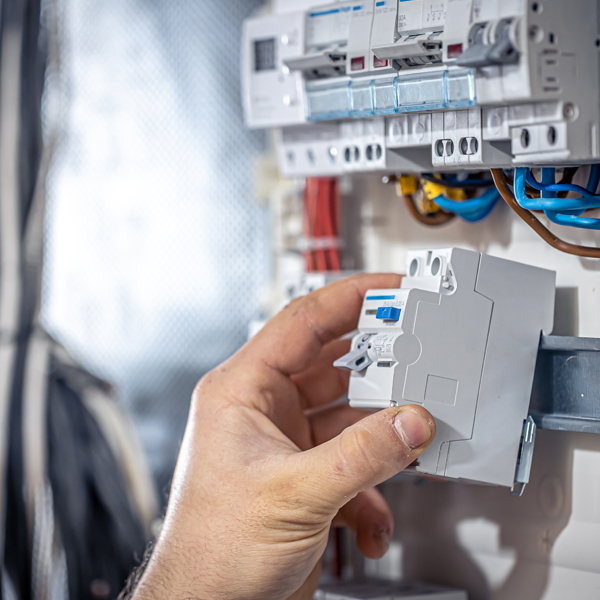
The final phase involves testing protective devices, including earth-fault loop impedance measurements and RCD testing. Engineers will verify the correct operation of all switches and isolators, ensuring they meet required safety standards.
Periodic Inspection Testing
Unlike Initial Verification, periodic inspection testing offers more flexibility in its sequence. However, this doesn’t diminish its importance in maintaining electrical safety standards across commercial and domestic properties.
Visual Inspection Requirements
Every periodic inspection begins with a thorough visual assessment. This crucial first step helps identify any immediate concerns or potential hazards before technical testing begins. The visual inspection examines compliance with British Standards and ensures the installation environment meets current working practices.
Testing Components
A comprehensive periodic inspection includes testing of:
- Continuity of protective and bonding conductors
- Insulation resistance at distribution boards
- Earth fault loop impedance
- RCD operation and trip timing
- Functional testing of key components
Sequence Flexibility
Unlike Initial Verification, periodic testing allows qualified engineers to determine the most efficient testing sequence. This flexibility enables them to:
- Minimise disruption to building operations
- Address urgent safety concerns first
- Work around occupant schedules
- Adapt to specific installation characteristics
Testing Documentation
Throughout the periodic inspection process, engineers must maintain detailed records of all findings. These results form part of the Electrical Installation Condition Report (EICR), which provides property owners with a comprehensive overview of their electrical installation’s safety status.
Best Practices and Safety Considerations
Professional electrical testing requires more than just following a sequence – it demands attention to detail, proper preparation, and adherence to safety protocols. This section covers essential practices that ensure both accurate results and technician safety.
Professional Requirements
All electrical testing must be carried out by qualified professionals who understand current regulations and testing procedures. These engineers should hold relevant qualifications and stay updated with the latest industry standards and testing methods.
Essential Safety Protocols
Before beginning any electrical testing sequence, engineers must:
- Inform building occupants about testing procedures
- Isolate areas where testing will occur
- Use appropriate test equipment that’s properly calibrated
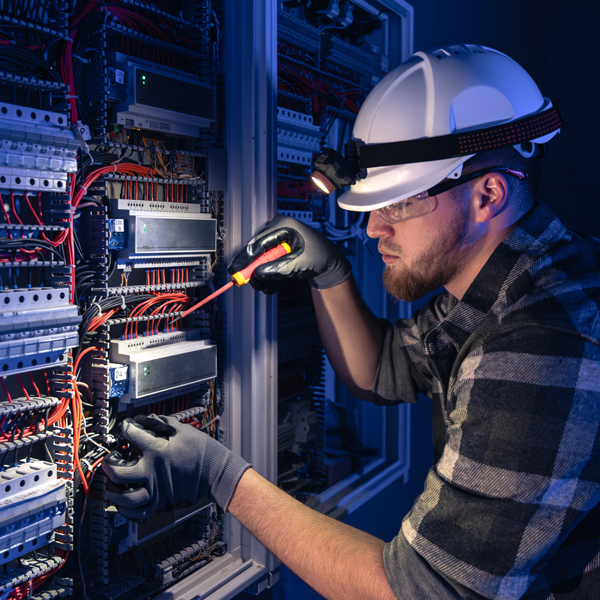
- Wear suitable personal protective equipment
Risk Assessment
Each testing situation presents unique challenges and potential hazards. Professional engineers conduct thorough risk assessments before starting work, considering factors such as the age and condition of the electrical installation, environmental conditions, and building usage requirements.
Industry Standards Compliance
All testing must comply with the latest BS 7671 IET Wiring Regulations and other relevant industry standards. This ensures consistency in testing methods and results interpretation across different installations.
Ensure Your Safety with Professional Testing

Don’t leave your electrical safety to chance. At KG Electrical Contractors, our team of qualified professionals conducts thorough electrical testing following all necessary sequences and safety protocols. We understand that proper electrical testing is crucial for both compliance and peace of mind.
Contact our expert team today on 01727 741 993 to schedule your electrical testing, or click here to book your inspection online. We provide comprehensive testing services for both commercial and domestic properties across Hertfordshire, Bedfordshire and Buckinghamshire, ensuring your electrical installations meet all safety standards and regulations.
Frequently Asked Questions
How often should electrical testing be carried out?
For rental properties, electrical testing should be conducted every 5 years or with each change of tenancy, whichever comes first. Commercial properties typically require testing every 3-5 years, depending on the type of business and usage. However, high-risk environments may need more frequent testing – we can advise on the specific requirements for your property.
How long does a complete electrical testing sequence take?
The duration varies depending on the size and complexity of your installation. A typical domestic property usually takes 3-4 hours, while larger commercial properties may require several days. We always aim to minimise disruption to your operations while ensuring thorough testing.
Will power need to be switched off during testing?
Yes, parts of the testing sequence require power to be disconnected, particularly during the dead testing phase. However, our engineers plan the sequence carefully to minimize disruption. We’ll work with you to schedule testing at the most convenient time and can often test different circuits separately to maintain essential services.
What documentation will I receive after testing?
Upon completion, you’ll receive a comprehensive Electrical Installation Condition Report (EICR) detailing all test results, any defects found, and recommendations for improvements. This important document serves as evidence of compliance with electrical safety regulations and identifies any areas requiring attention.
What happens if faults are found during testing?
If our engineers identify any faults during testing, they will be categorised based on their severity. Dangerous conditions requiring immediate attention will be highlighted, and we can usually carry out necessary repairs during the same visit. Less urgent issues will be detailed in your report with recommendations for future maintenance.

