



















Homes with wiring from the 1940s to 1970s, repeated alterations, or struggling with modern demand often need rewiring. Warning signs are usually visible through age, damage, or protection issues.
Many homes do not need rewiring just because they are old. Wiring that is 40 to 50 years old, has been altered several times, or no longer supports modern demand may need attention. Warning signs are usually visible, and an EICR is the safest way to judge the installation properly.
Key Takeaways
- Wiring from the 1940s to 1970s often needs replacing now because installations were designed for much lighter loads.
- Repeated alterations, hidden joints, and unqualified work create risks even when wiring looks relatively new.
- Burning smells, buzzing sounds, tripping circuits, and outdated components signal unsafe wiring needing urgent inspection.
How Do You Know if a House Needs Rewiring

There is no hard and fast rule on when rewiring becomes necessary. It varies based on:
- Installation standards
- How the property has been used
- whether the design still matches current needs.
Older homes often only had a few sockets because they were built for much lighter electrical loads. A single socket in a bedroom was normal when households only needed a lamp and maybe a basic radio.
Today, we have practically everything electric.
Age, repeated alterations, and clear signs that the system no longer supports modern use are the main decision factors:
Age of the Electrical Installation
Wiring from the 1940s, 1950s, 1960s, and 1970s generally needs rewiring now. These installations are 50-plus years old and were designed for far fewer appliances.
Properties with electrics installed in 1980 and before usually need attention. That is not a hard rule, but it provides a useful guideline for when systems typically reach the end of safe working life.
Older installations have often been added on to and added on to and added on to throughout the years. Each addition increases the risk of hidden problems and overloaded circuits.
Previous Alterations
Repeated add-ons and poorly completed electrical work can create hidden safety risks, even in newer properties. Many buildings from the 1980s to early 2000s contain work completed without proper qualifications. Unsafe joints, missing earths, and hidden faults may still remain today.
Opening up older kitchen installations often exposes electrical issues involving:
- DIY modifications hidden behind cabinets
- Ageing wiring and loose connections
- Circuits that no longer meet regulations
- Inadequate protection for modern appliance loads
Many installations still function despite falling short of current safety standards.
Overloaded Electrical Circuits
Constantly relying on extension leads, double adapters, and overloaded sockets usually means the installation is not coping with modern use. This pattern appears frequently in bedrooms, lounges, kitchens, and home offices.
Electrical layouts around TV areas often become overloaded because of:
- Multiple devices sharing a small number of sockets
- Banks of extension leads hidden behind furniture
- Increased demand from modern entertainment systems
A single socket setup is usually no longer enough for modern living rooms.
Extension leads are not automatically a big issue, but needing them everywhere signals the circuit layout no longer matches how you use the space.
Why Older UK Properties Often Need Rewiring
Older properties were designed for much smaller electrical loads. Electrics are the underpinning element of the house, and original installations cannot support modern demand.
Understanding why older systems struggle helps explain when rewiring becomes necessary:
Older Installations Were Designed for Fewer Sockets
Homes from the 1940s to 1970s were often built with one or two sockets per room. That was about all that was actually required at the time.
Bedroom circuits were originally designed for much lighter usage, with assumptions such as:
- Only one or two plugged-in items
- Minimal socket requirements
- Low electrical demand overall
Original circuit designs reflected what was available electrically during those decades. Installations were never intended to support the loads modern households place on them.
Modern Homes Use Much More Power
Absolutely everything is electric now. Even items that are wireless still need plugging in to charge.
Kitchens depend on kettles, microwaves, fridges, freezers, ovens, hobs, and extractor fans. Those lucky enough to have wine fridges and boiling water taps need even more capacity.
Bathroom electrical demand has increased significantly through:
- Powered ventilation and lighting
- Heated towel rails and electric showers
- Everyday charging requirements
Even rooms designed around water safety still depend on substantial electrical infrastructure.
Lounges and bedrooms need charging points for phones, tablets, laptops, and other devices. Home entertainment systems, smart devices, and work-from-home setups all increase the load.
Is Your Wiring Struggling With Modern Demand?
Practical signs homeowners notice daily often reveal whether the installation still matches modern use. Relying heavily on extension leads, constantly overloaded plug areas, and limited sockets in key rooms all suggest the circuit layout is outdated.
The table below shows common overload patterns and what they mean:
| What You Notice | What It Could Mean | What to Do Next |
|---|---|---|
| Lots of extension leads | Too few sockets for modern use | Check whether circuit layout is still suitable |
| Constantly overloaded plug areas | Circuits not designed for current demand | Arrange an EICR |
| Limited sockets in key rooms | Older installation layout | Consider electrical upgrades |
| Modern appliances causing issues | System struggling with higher loads | Ask an electrician to assess capacity |
What Are the Warning Signs of Unsafe Wiring?
Warning signs are usually visible through age, damage, or protection-device issues. Electrical Safety First guidance lists visible signs of old wiring, including older cable types, outdated fuseboxes, discolouration, and arcing sounds.

Recognising these signs early helps prevent electrical fires and serious faults:
Tripping Circuits
Circuit breakers are there to protect your home when something goes wrong. If a breaker trips once because of a faulty appliance or temporary overload, it may not be a major concern. However, repeated tripping is a clear sign that the circuit is under strain or that there is a fault somewhere in the system.
Common causes include overloaded circuits, damaged wiring, loose connections, or appliances drawing more power than the circuit can safely handle. If the same circuit keeps cutting out, do not keep resetting it and ignoring the problem. The circuit needs to be tested properly.
Flickering Lights
A single flickering light may simply need a new bulb or fitting. But flickering across several rooms, or lights dimming when appliances switch on, can suggest a wiring or circuit issue.
This is more concerning when you notice patterns such as:
- Lights flickering in more than one room
- Bulbs failing more often than expected
- Lights dimming when kettles, ovens, showers, or other high-power appliances run
- Flickering that continues after bulbs or fittings have been changed
These signs may mean the circuit is overloaded, connections are loose, or parts of the installation are starting to fail.
Burning or Overheating Smells
A burning smell near sockets, switches, light fittings, or the consumer unit should be treated as urgent. It can point to overheating cables, loose connections, or overloaded circuits.
You may also notice heat around a socket faceplate, scorch marks, yellowing, or a smell that becomes stronger when certain appliances are in use. These are not normal signs of everyday wear. Stop using the affected area and arrange an inspection as soon as possible.
Crackling or Buzzing Sockets
Sockets and switches should not make noise during normal use. Buzzing, crackling, humming, or sparking can suggest loose wiring, worn socket components, or arcing behind the faceplate.
This type of fault can become dangerous because heat may build up behind the socket without being immediately visible. If a socket makes noise, sparks, or feels warm, avoid using it until it has been checked.
Outdated Electrical Components
Older electrical components can be a sign that the installation no longer offers the same level of protection expected in modern homes. This is especially common in properties that have not had a full electrical upgrade for several decades.
Look out for:
- Old rewirable fuseboxes instead of modern consumer units
- Black rubber, fabric-covered, or lead-sheathed wiring
- Round-pin sockets or very old light switches
- Wooden-backed fuseboards or cast-iron switches
- A lack of modern RCD protection
These features do not automatically mean the wiring is immediately dangerous, but they do show that the installation needs professional assessment.
RCDs That Do Not Trip Properly
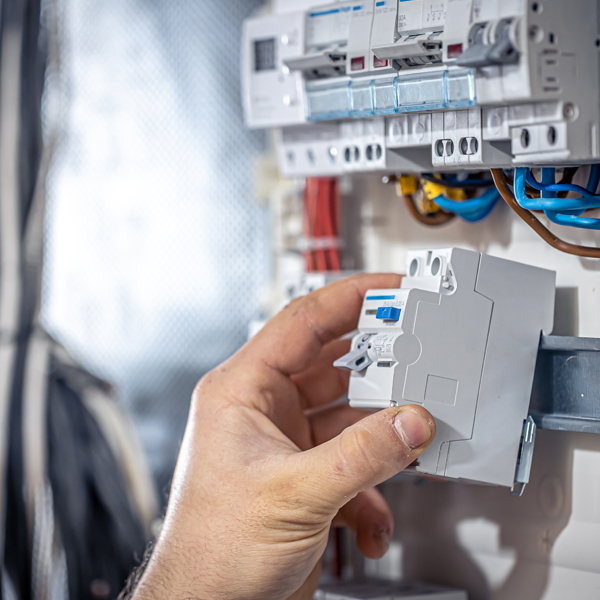
An RCD is designed to cut the power quickly if it detects an earth fault. It is an important safety device because it helps reduce the risk of electric shock.
If you press the RCD test button and it does not switch off the protected circuit, the device may not be working correctly. Older homes may not have RCD protection at all, particularly if they still rely on old fuseboxes or rewirable fuses. In either case, the installation should be checked by a registered electrician.
If you recognise these signs in your property, our house rewiring service covers full and partial rewires with BS 7671-compliant work throughout.
What Happens During an EICR
An EICR is effectively an MOT for your electrics. It is the best way to judge whether the installation is still safe, suitable, and capable of handling modern demand.
The inspection identifies problems you would not spot during normal day-to-day use.
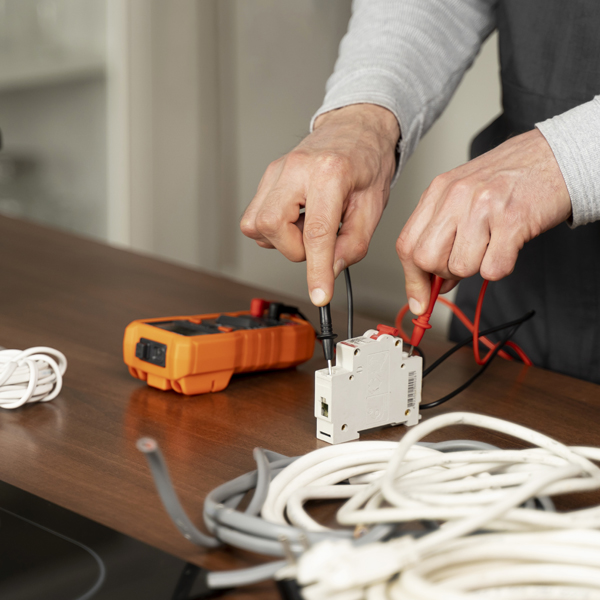
The electrician checks wiring condition, earthing, bonding, circuit protection, and signs of unsafe or defective work. They test whether power circuits are complete, safety devices trip correctly, and everything meets current standards.
Assuming the electrician actually does the test properly, the EICR reveals overloads, earthing issues, and conditions that impair safety. The assessment covers socket outlets, lighting circuits, bonding to water and gas pipes, and cable condition throughout the property.
You can book an EICR electrical safety test to check whether your system is safe, legal, and reliable before deciding on any work.
When Is Rewiring Better Than Small Repairs?
Rewiring is about safety, reliability, and making your home fit for how you actually live. The decision becomes clearer when you weigh the risks against the benefits:
When Safety Risks Keep Appearing
Research on domestic electrical fires found 11,089 domestic electrical fires in England during 2023/24 (that’s 17.9% of all domestic fires). Faulty electricity supply involving wiring, cabling, and plugs caused 57.8% of electrical fire injuries in one regional study.
Modern installations include RCD protection, properly rated circuits, and compliant cable types. These features cut the risk of fire, shock, and serious faults significantly.
Properties over 30 years old with original wiring are likely to need updating. ONS housing data shows 5,447,490 addresses in England and Wales were built before 1919, with many still using outdated systems.
When the Home Needs More Sockets or Dedicated Circuits
Original wiring layouts were designed for much lighter usage, with today’s loads including:
- High-power kitchen appliances
- Electric showers and chargers
- Constant device charging
Rewiring helps support modern demand without frequent tripping.
Proper circuit separation gives high-demand appliances their own dedicated circuits. New installations also provide enough sockets in each room rather than relying on adaptors.
Before a Kitchen or Bathroom Renovation
Rewiring is much easier before a kitchen or bathroom is finished.
If you are planning new units, tiling, plastering, flooring, lighting, extractor fans, heated towel rails, or appliances, it is better to deal with the electrics first.
Running new cables before the room is completed can avoid disruption later.
When Patch Repairs Are Becoming Frequent
Each repair only fixes one problem while the rest continues ageing. Repeated patch jobs cost more than addressing everything in one go.
For rented properties, landlords must have electrics checked every five years by a qualified person. Rewiring ensures compliance and removes failed inspection risks.
Conclusion
If wiring is old, altered, or struggling with modern demand, an EICR is the best next step. A rewire may be needed where safety risks or limited capacity are identified. Spotting problems early helps prevent faults, failed inspections, and fire risks while supporting modern electrical use safely.
Get a free estimate for rewiring or an EICR to assess your installation and discuss the best solution for your property.
FAQs
How old does wiring need to be before rewiring?
Wiring from 1980 and before often needs replacing. Age is a guideline rather than a fixed rule, and condition matters more than year installed.
Can a house pass an EICR and still need rewiring?
Yes. An EICR may show the installation is currently safe but highlight that it cannot support future loads or planned upgrades.
Is old wiring dangerous?
Old wiring can be dangerous when it degrades, cannot handle modern loads, or lacks proper earth-fault protection like RCDs.
How disruptive is a full house rewire?
Rewiring involves lifting floorboards, chasing walls, and accessing ceiling spaces. Disruption depends on property size and whether you stay during work.
Do all older homes need rewiring?
Not all older homes need rewiring. An EICR determines whether the installation is still safe or requires upgrading.
Sources
1. https://www.electricalsafetyfirst.org.uk/
2. https://researchonline.ljmu.ac.uk/
3. https://www.ons.gov.uk/
4. https://www.gov.uk/

