













Yes, outdoor sockets can be used in the rain, but only if the socket is weatherproof, correctly installed, protected by a 30mA RCD and used with outdoor-rated equipment.
Outdoor sockets are designed to cope with the UK’s changing weather, but they rely on more than a weather-resistant cover to stay safe. The level of protection depends on several features working together, including the IP rating, RCD protection and correct installation. Each one plays a different role in keeping the socket safe outdoors.
Key Takeaways
- A correctly installed outdoor socket can usually be used in the rain, provided it remains in good condition.
- IP ratings, 30mA RCD protection and professional installation are the key features that make outdoor sockets safe.
- Visible damage, water ingress or recurring electrical faults are clear signs that an outdoor socket should be inspected before it is used again.
Can You Safely Use an Outdoor Socket While It’s Raining?
Rain alone does not make an outdoor socket dangerous. What matters is whether the socket was installed correctly in the first place and whether it is still in good condition. A properly specified, well-maintained outdoor socket is designed to handle wet UK weather without any drama.

Safe Use in Wet Weather
A socket that carries the correct IP rating, has fully sealed cable entries and sits on an RCD-protected circuit is safe to use during rain. The cover should close completely, even with a plug inserted.
If those conditions are all met and the socket shows no signs of damage, normal use in wet weather is fine.
Weatherproof Protection
Weatherproof means the socket can resist rain, splashes and water jets. It does not mean it can sit in a puddle. Even an IP66-rated socket is not designed for flooding or submersion. Mount sockets above ground level and well away from any spot where water tends to collect.
Key takeaway: A correctly installed outdoor socket handles wet weather well, but the condition of the socket, the connected equipment and how it is used all count.
What Makes an Outdoor Socket Safe for Outdoor Use?
Outdoor sockets are not just indoor sockets with a lid on top. They are built to a different standard because they face rain, UV exposure, temperature changes and the occasional mud splash. The safety comes from several design features working together, not just one.
Here is what to look for:
Protective Design
A good outdoor socket has a tough, weather-resistant enclosure, a spring-loaded hinged cover that closes firmly and materials that do not degrade quickly in sunlight or cold. The cover should seal properly even when a plug is connected, and the cable entries must be sealed with glands.
An unsealed cable entry can make even an IP66 socket next to useless in wet conditions.
IP Ratings
IP stands for Ingress Protection. The two-digit code tells you how well the socket resists solid particles and water. The first digit covers solids, the second covers liquids. For outdoor sockets, the liquid rating is the one that matters most.
| IP Rating | Protection Level | Typical Use |
|---|---|---|
| IP44 | Splash-proof from any direction | Sheltered outdoor spots, covered porches |
| IP65 | Protected against low-pressure water jets | Semi-exposed garden areas |
| IP66 | Protected against heavy water jets | Fully exposed patios, driveways and open gardens |
| IP67 | Protected against temporary submersion | Pond edges and areas prone to surface water |
| IP68 | Protected against continuous submersion | Underwater pond equipment |
For most UK gardens, IP66 is the right choice for anything exposed to direct rain. IP44 is only suitable where there is genuine shelter overhead.
RCD Protection
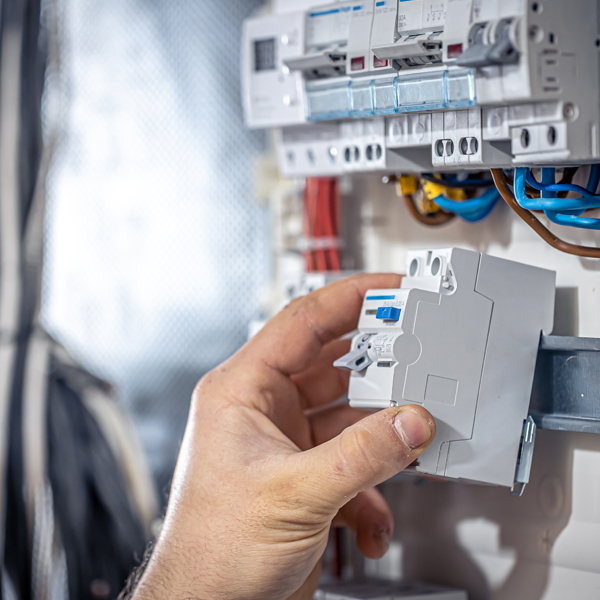
An RCD (Residual Current Device) monitors the flow of electricity and cuts the power within milliseconds if it detects a fault. Outdoors, you’re often standing on damp ground, which increases the risk of electric shock if something goes wrong.
That’s why every outdoor socket circuit must be protected by a 30mA RCD, which automatically switches off the power if it detects a dangerous fault.
This is a legal requirement under the UK’s Wiring Regulations (BS 7671), not an optional safety feature.
Correct Installation
The IP rating on the box only holds up if the socket is installed properly. Cable glands must be fitted and sealed. The socket must be mounted at a sensible height. All wiring must meet the 18th Edition Wiring Regulations.
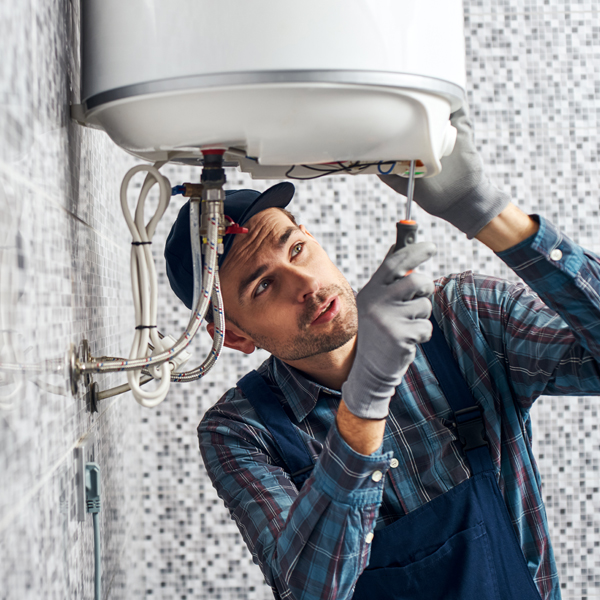
A qualified electrician will get all of this right. A DIY job often will not, even with the best intentions.
What UK Regulations Apply to Outdoor Sockets
Outdoor sockets must meet UK electrical safety rules to reduce the risk of electric shock when they’re used outside.
One of the most important requirements is RCD protection. An RCD is a safety device that switches the power off in milliseconds if it detects an electrical fault. Because people are often standing on wet ground outdoors, this extra protection is required for outdoor sockets.
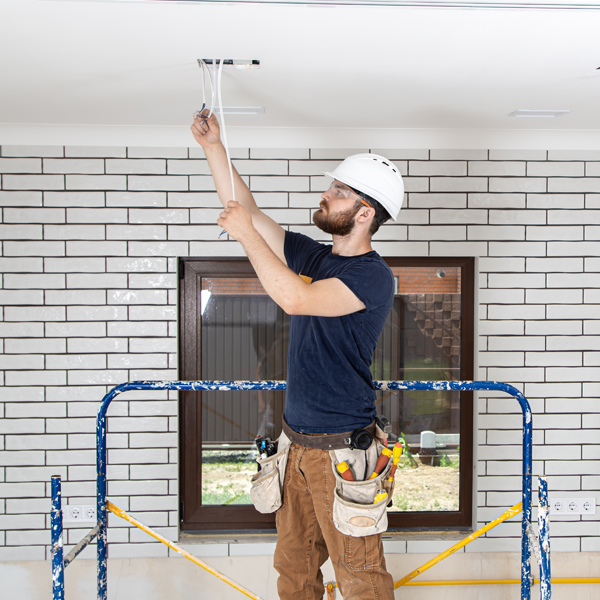
If you’re adding a brand new outdoor socket circuit, the work usually can’t be treated as a simple DIY job. It must either be installed by a qualified electrician who can certify the work or be inspected through your local building control service. These requirements are set out in the UK Wiring Regulations (BS 7671) and Part P of the Building Regulations.
Choosing the right socket matters too. A weatherproof socket with a suitable IP rating helps keep rain out, but only if it’s installed correctly and the protective cover seals properly.
These standards have become even more important as the UK’s weather has changed. According to the Met Office, winter rainfall between 2016 and 2025 was 13% higher than the 1961 to 1990 average, with very wet months occurring about twice as often. Older outdoor sockets may not provide the same level of protection as modern installations.
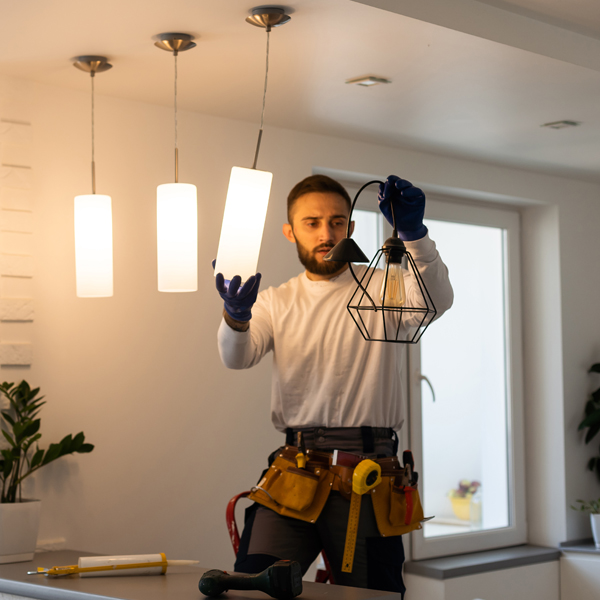
If you’re installing a new outdoor socket or replacing an older one, our professional residential electrical services ensure everything is fitted, tested and certified to current UK safety standards.
Which Outdoor Equipment Can Be Used Safely in Wet Weather?
Outdoor electrical equipment can be used in wet weather if it is designed for outdoor use, installed correctly and used as the manufacturer recommends.
Examples include:
- Garden power tools: Outdoor-rated tools with a valid PAT test can be used in light to moderate rain if they are undamaged and approved for those conditions.
- Pressure washers: These are designed for use around water but should always be connected to an outdoor-rated, RCD-protected power supply.
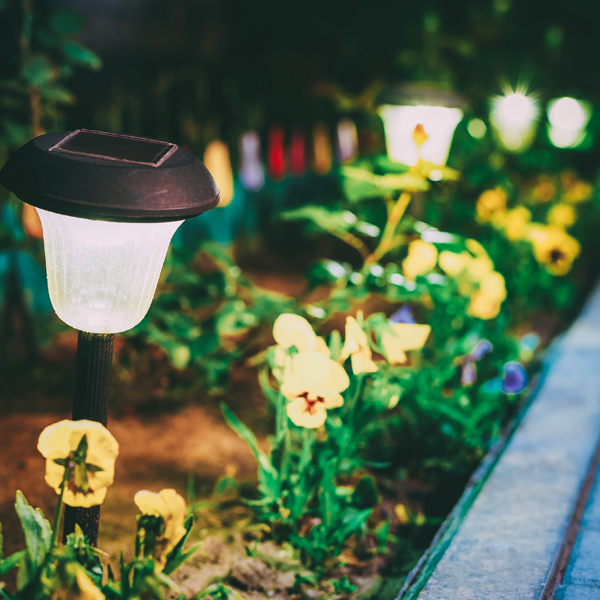
- Outdoor lighting: Lighting with the correct IP rating is suitable for wet weather when installed in the appropriate location.
- Pond pumps and water features: These are built for continuous operation in wet environments when installed with the correct submersion rating.
- EV chargers and fixed equipment: Permanently installed outdoor equipment that meets current electrical standards is generally safe to use in the rain.
Safe operation depends on proper installation as much as the equipment itself.
Our residential garden lighting installations use weather-resistant, IP-rated fittings as standard and are installed by NICEIC-certified electricians. If you are unsure whether your outdoor electrical installation is suitable for wet weather, we can inspect it and confirm it is safe and compliant.
Portable electrical devices are more exposed to damage from rain than fixed outdoor installations. Regular inspections, correct installation and suitable equipment help reduce the risk of electrical faults in wet weather.
When Should an Outdoor Socket Be Inspected or Replaced?
Outdoor sockets are built to withstand the weather, but constant exposure to sun, rain and frost causes wear over time. Damage is not always obvious, so regular inspections are safer than waiting for a fault to develop.
Signs your outdoor socket may need attention include:
- Physical damage such as cracked covers, worn seals or loose fittings can allow moisture to reach the electrical components.
- Water damage including corrosion, condensation or signs of water ingress means the socket should not be used until it has been inspected.
- Electrical faults such as frequent RCD trips, intermittent power or unexplained circuit problems may indicate an issue with the socket or its wiring.
- Ageing installations may no longer meet current IP rating or wiring standards and should be assessed if they have not been inspected for several years.
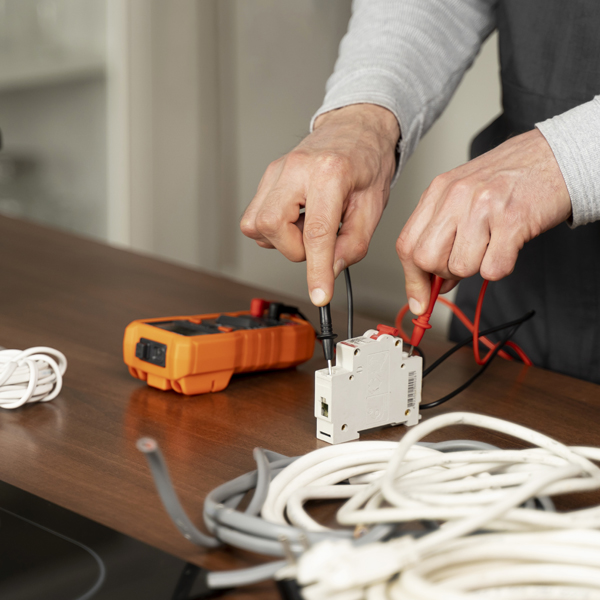
Temporary repairs are not suitable for outdoor electrical installations. If you notice any of these warning signs, stop using the socket and arrange for a qualified electrician to inspect it before it is used again.
FAQs
Can outdoor sockets be used in heavy rain?
Yes, if the socket is IP66-rated, correctly installed and protected by a 30mA RCD. Avoid plugging in or unplugging equipment during heavy downpours if possible, as that is when risk is highest.
Are outdoor sockets weatherproof or waterproof?
Weatherproof. They resist rain and water jets, but they are not designed for flooding or submersion. Position them away from areas where water pools.
What IP rating should an outdoor socket have?
IP44 as a minimum for sheltered locations. IP66 for any socket exposed to direct rain. Most standard outdoor sockets sold in the UK are IP66.
Can I leave something plugged into an outdoor socket in the rain?
Only if both the socket and the connected equipment are outdoor-rated and the circuit has RCD protection. Never leave indoor-rated equipment plugged in outdoors.
What should I do if water gets inside an outdoor socket?
Stop using it immediately. Do not attempt to dry it out and carry on. Have a qualified electrician inspect it before it is used again.
Conclusion
A correctly installed, IP-rated outdoor socket on an RCD-protected circuit provides safe and reliable power throughout the UK’s wet weather. Whether you need a new installation, an inspection or a replacement, professional installation helps ensure your outdoor electrics meet current standards.
Get your free estimate today and let us make sure your outdoor electrics are safe, compliant and built for UK conditions.
Sources

