


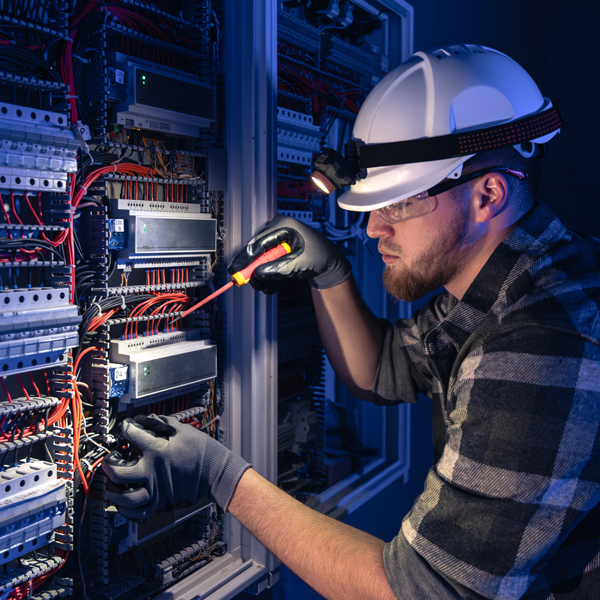




Solar lighting costs less upfront and needs no wiring, but mains-powered lighting is brighter, more reliable year-round and better suited to permanent outdoor areas that you use regularly after dark.
Good garden lighting can transform how you use your outdoor space after dark. But choosing between solar and mains-powered garden lighting is not always straightforward. Solar can work well for simple, low-level lighting, while mains power gives you brighter, more consistent illumination. The better option depends on your garden layout, how much light you need and how you plan to use the space.
Key Takeaways
- Solar lighting suits decorative, low-use areas and gardens without an existing power supply.
- Mains-powered lighting delivers consistent brightness for patios, driveways, security and smart systems.
- Upgrading from solar to mains is straightforward when professionally planned and properly installed.
What Powers the Garden Lighting?
Garden lighting is powered either by daylight and a battery in solar systems or by your home’s electricity supply in mains-powered systems. Solar lights generate and store their own electricity. While mains-powered lights receive electricity through a fixed electrical circuit.
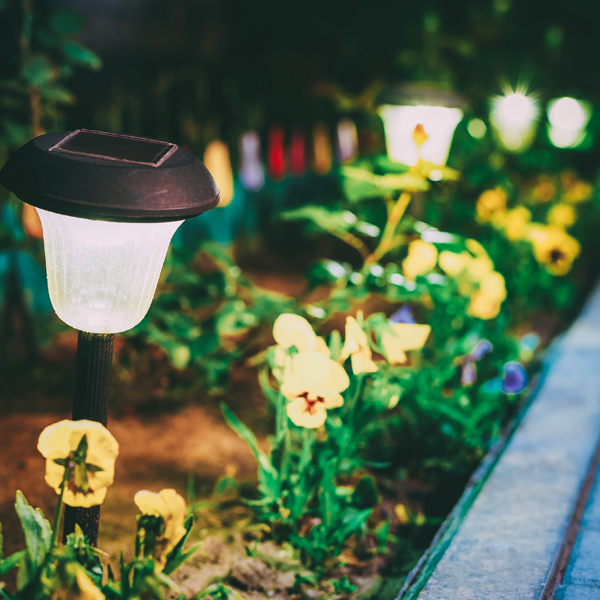
Solar lights use a built-in or attached panel to convert daylight into electricity, which charges a battery during the day. The stored energy then powers the light after dark, so standalone solar fittings do not need a connection to your home’s electrical supply.
Mains-powered garden lighting connects to your household electricity supply through a fixed circuit. Depending on the system, a transformer may provide low-voltage power to the fittings, or the lighting may operate at mains voltage. Its power supply does not depend on daylight or battery charge.
How Do Solar and Mains-Powered Garden Lights Compare?
Both systems can look great in the right setting. But they perform very differently across the things that actually matter, such as brightness, reliability, cost and how much work they need over time.

Brightness and Light Output
Mains-powered lighting is brighter, full stop. The output is consistent because the supply never changes. Solar lights are limited by how much the panel is charged during the day, so brightness can vary night to night, and the light often fades as the battery drains toward morning.
For subtle accent lighting, that lower output is fine. For a patio or driveway, it usually is not enough.
Reliability Throughout the Year
Mains lighting works the same in January as it does in July. Solar lighting does not. Performance drops in winter when daylight is shorter and the sun stays low, which means less charge stored and shorter runtime in the evenings.
This matters more in some parts of the UK than others, given how much sunshine hours vary by region and season.
Installation and Upfront Costs
Solar lights are cheaper to buy and you can put most of them in yourself. No electrician, no digging, no fuss.
Mains-powered lighting costs more to install because it involves running a new circuit, and that is notifiable work under the Part P electrical safety requirements for garden circuits. It must be carried out by a registered competent person or signed off by Building Control. So factor in professional installation costs from the start.
Running Costs and Energy Efficiency
Solar costs nothing to run. Once it is installed, the energy is free. Mains lighting draws from your household supply, and with lighting accounting for around 15% of total UK household electricity consumption, it does add to your bill over time. That said, modern LED fittings keep running costs low.
Maintenance and Expected Lifespan
Solar lights need more attention over time. Batteries degrade, panels can become less efficient and in some cases the whole fitting needs replacing. Mains lighting, once professionally installed, needs less routine maintenance. The wiring and fittings do need to be kept in good condition, but there are no consumable parts in the same way.
Smart Lighting and Automation Options
Mains-powered systems open up a lot more options. Dimmers, timers, motion sensors, smart home integration; all of it is achievable. Standalone solar units have limited control features, and most only offer a basic dusk-to-dawn function.
If you are still unsure which option is right for you or want a quick comparison, the table below summarises the key differences between solar and mains-powered garden lighting:
| Factor | Solar | Mains-Powered |
|---|---|---|
| Brightness | Lower, variable | Higher, consistent |
| Reliability | Weather/season dependent | Consistent year-round |
| Upfront Cost | Lower | Higher (installation required) |
| Running Cost | None | Standard electricity rate |
| Maintenance | Battery/panel replacement | Lower once installed |
| Smart Features | Limited | Extensive |
When Is Solar Garden Lighting the Best Option?
Solar is not the inferior option. For certain situations it is genuinely the smarter choice, and it is worth knowing exactly when that is.
Decorative Garden Features
For flower beds, borders, garden ornaments and trees, solar lighting works really well. You want a gentle glow that highlights the space rather than floods it. If you are thinking about how to approach that kind of feature lighting properly, our garden lighting design service covers exactly this.
Small Gardens and Pathways
In a small garden or along a simple path, the light levels solar provides are often more than enough. Running mains cables through a compact space adds cost and complexity that simply is not necessary.
Areas Without an Electrical Supply
If the part of your garden you want to light has no existing power nearby, solar removes the need for extra cabling, cable ducts or ground excavation. That alone can make it the more practical choice.
Temporary or Seasonal Lighting
Solar is ideal when you want lighting that you can move around, take down at the end of summer or reposition without touching your garden’s electrical setup. No fixed circuits means no complications.
Homeowners Looking for a Simple DIY Solution
If you just want to add a bit of light yourself without arranging professional electrical work, solar is the obvious route. You can have it up and running in an afternoon.
When Is Mains-Powered Garden Lighting the Better Choice?
Some areas of the garden simply need reliable, consistent light. For those situations, mains power is the right answer.

Patios and Outdoor Entertaining Areas
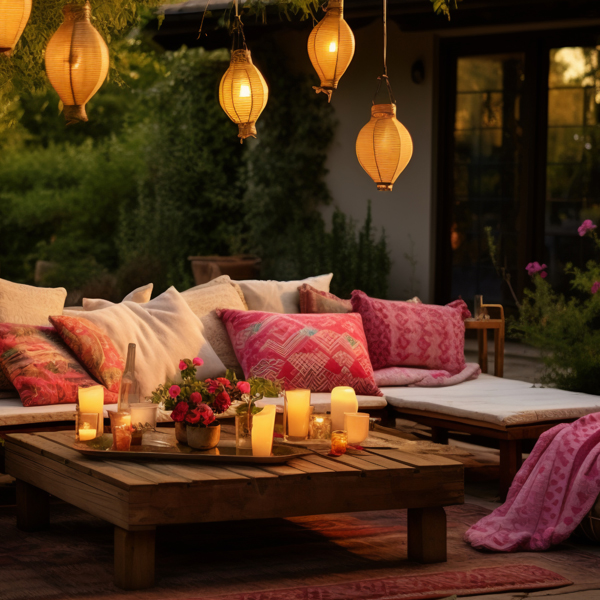
When you are using your patio after dark, you need proper light. Mains-powered fittings give you consistent brightness for as long as you need it, regardless of how overcast the day was.
Driveways and Entrances
A driveway needs dependable illumination every single evening, not just when the weather has been kind. Mains lighting guarantees that. Solar simply cannot offer the same level of certainty here.
Outdoor Kitchens and Dining Spaces
Cooking and eating outdoors after dark needs proper light. It is a practical safety issue as much as an aesthetic one. Mains-powered lighting handles this comfortably.
Garden Security Lighting
Security lighting needs to be on when you need it, not when the battery allows it. Mains lighting provides stronger output, longer operating periods and far more reliable performance for this purpose.
Large Gardens Requiring Reliable Illumination
Covering multiple areas of a large garden consistently is where solar struggles most. Mains-powered systems handle this well, keeping every zone illuminated to the same standard night after night.
Smart Lighting Systems and Automation
If you want timers, motion detection, dimming or smart controls tied to your home system, mains power is the only realistic option. Our residential electrical services cover professional RCD-compliant installation for exactly this kind of setup.
Does UK Weather Affect Garden Lighting Performance?
Yes, but it affects each system in a different way.
For solar lights, the issue is winter. Shorter days, lower sun angles and overcast skies reduce how much energy the panel can store. That means less runtime in the evenings, which is exactly when you need the light most.
According to the UK sunshine record and regional variation data from the Met Office, even in the UK’s sunniest year on record, there is significant variation between England, Scotland and Wales. A solar light performing well in Surrey may be noticeably weaker in Aberdeen.
Mains lighting is not affected by daylight at all. Rain and cold make no difference to output.
That said, moisture can cause problems for either system if the fittings are not rated for outdoor use. Always check the IP rating before buying or installing any garden light.
Can You Replace Solar Garden Lights with Mains-Powered Lighting?
Yes, and it is more straightforward than many people expect. The most common reasons to upgrade are that solar lights are no longer bright enough, the runtime has shortened as batteries age, or you want security lighting and smart controls that solar simply cannot support.
The practical steps involve deciding on fixture locations, planning suitable outdoor-rated cabling and choosing energy-efficient LED fittings. Checking the RCD protection requirements for garden electrics from the NICEIC is a useful starting point for understanding the safety standards that apply to any mains installation in a garden.
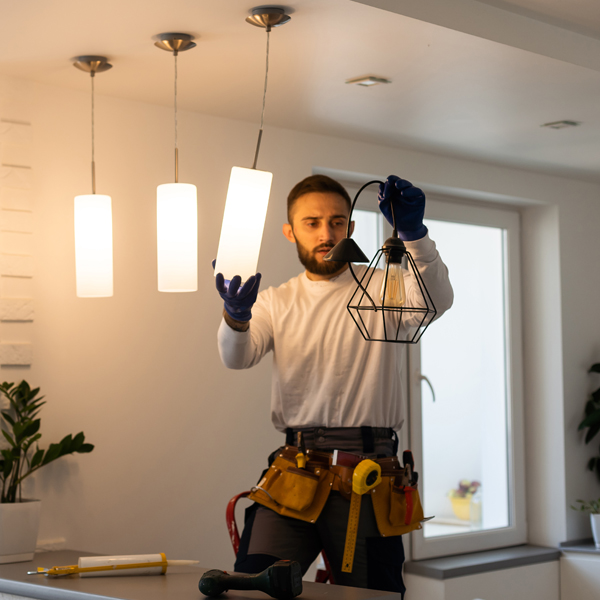
A registered electrician will handle the notifiable work, ensure the circuit is properly protected and make sure everything is signed off correctly.
Which Option Costs Less in the Long Term?
The upfront price is only part of the picture. Over several years, the costs shift.
Solar avoids grid electricity costs entirely, which is a genuine saving. But batteries degrade and panels lose efficiency. In some cases the whole fitting needs replacing after a few years, which adds up if you have a lot of them.
Mains lighting costs more to install and adds to your electricity bill. However, professionally installed LED systems need less maintenance and can last considerably longer without parts replacement. The wiring infrastructure, once in place, serves you for years.
| Cost Type | Solar | Mains-Powered |
|---|---|---|
| Upfront/Installation | Lower, with no fixed wiring for standalone units | Higher, with professional electrical installation where required |
| Running Cost | No grid electricity cost | Electricity cost based on wattage, usage and tariff |
| Maintenance/Replacement | Batteries, panels or complete units may need replacing | Lower routine maintenance, but wiring and fittings require upkeep |
| Long-Term Value | Well suited to low-use and decorative lighting | Better suited to permanent, frequently used lighting |
The overall cost comes down to how much lighting you need and how often you use it. Solar can keep costs low where you only need a few decorative lights. For larger installations that run regularly, the higher installation cost of mains lighting may be easier to justify.
FAQs
Are solar garden lights worth it in the UK?
Yes, especially for decorative and low-use lighting. They work well for paths, borders and garden features without ongoing electricity costs.
Is mains-powered garden lighting better than solar?
For security, driveways, patios and larger gardens, usually yes. It provides brighter, more consistent lighting and supports more control options.
Can solar and mains-powered garden lighting be used together?
Yes. Solar can handle decorative features and pathways, while mains power can cover patios, driveways and security lighting.
Which option lasts longer?
Mains-powered lighting generally lasts longer when professionally installed and maintained. Solar lights may need battery or fitting replacement over time.
How much does mains-powered garden lighting cost to install?
It depends on the number of fittings, cable runs and circuit requirements. A professional assessment will give you an accurate cost.
Can solar garden lights be replaced with mains-powered lighting?
Yes. A qualified electrician can install mains-powered lighting to replace or supplement existing solar fittings.
Conclusion
Professionally installed garden lighting can make outdoor spaces safer, more practical and easier to enjoy after dark. KG Electrical Contractors provides mains-powered garden lighting with energy-efficient LED fittings and weatherproof cabling. Systems can be designed for patios, driveways, pathways, pergolas, outdoor kitchens and landscaped gardens. Smart and security lighting options are also available.
Get your free estimate and let us assess your garden lighting needs.
Sources

