
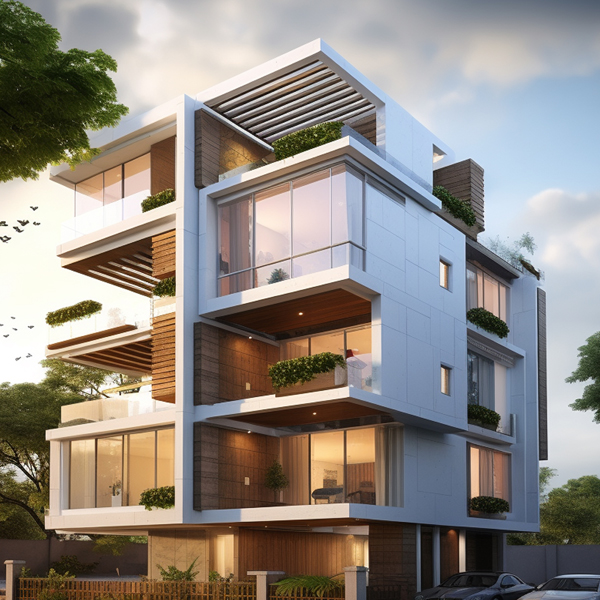

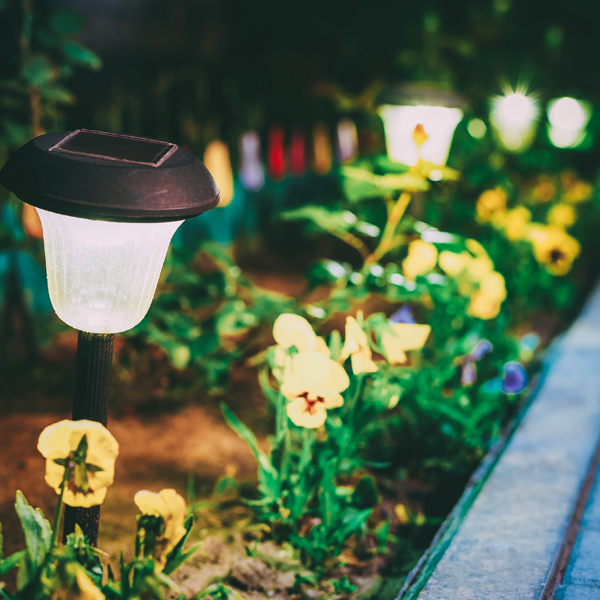




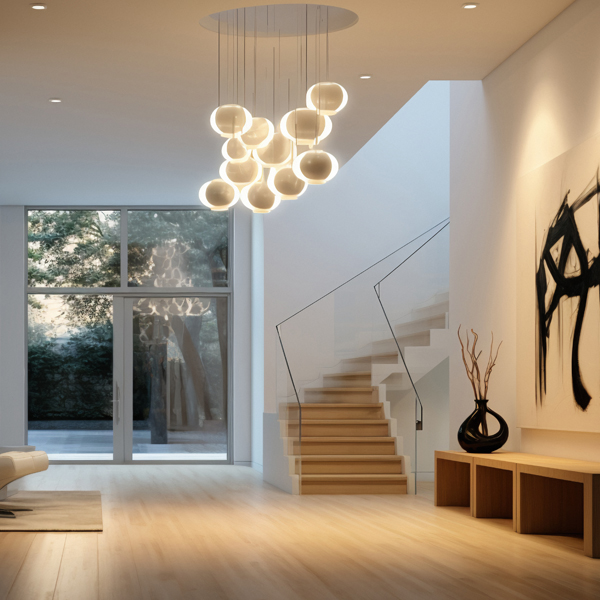
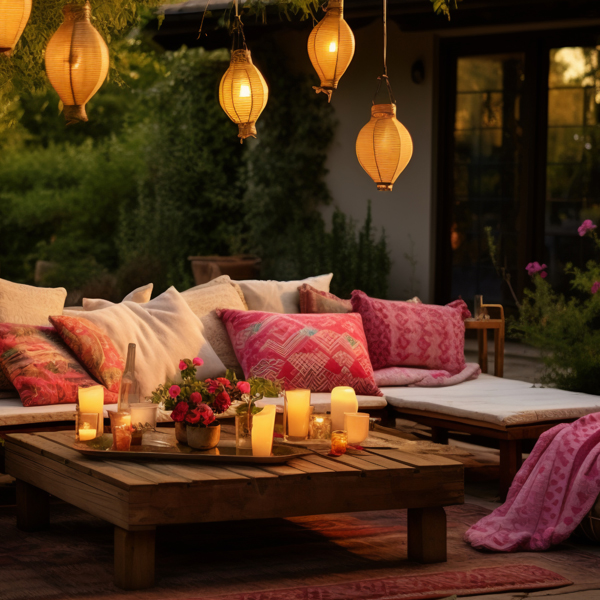











Good garden lighting combines ambient, task and accent lights to improve safety, usability and appearance after dark. Use warm white LEDs for the best results.
Your garden doesn’t have to disappear after sunset. Well-placed lighting adds warmth, improves safety and helps you enjoy your outdoor space for longer. These 25 garden lighting ideas will inspire you to create a garden that looks just as inviting at night as it does during the day.
Key Takeaways
- Layer ambient, task and accent lighting for a balanced, attractive scheme.
- Always use IP-rated fittings and RCD-protected circuits for outdoor safety.
- Warm white LEDs save energy, last longer and look better than halogens.
How to Plan Your Garden Lighting
A well-planned garden lighting scheme should make your outdoor space look more inviting while also improving safety and practicality. Before choosing any lights, think about how you use your garden after dark and decide which areas need lighting first.
A balanced lighting scheme combines:
- Ambient lighting for atmosphere
- Task lighting for visibility
- Accent lighting for focal points
- Lighting matched to each garden area
Different parts of the garden perform different functions, so each benefits from a different type of lighting.
This layered approach creates a balanced design that is both functional and visually appealing. It also helps you choose the right fittings and avoid overlighting your garden.
Once you have a plan, explore these 25 garden lighting ideas to inspire every part of your outdoor space:
Garden Lighting Ideas for Outdoor Spaces
Patios, paths, decking and seating areas are the heart of any garden. They’re where you relax, entertain and spend time with family and friends. The right lighting makes these spaces safer to use and far more enjoyable after sunset.

Start with these 13 ideas to create a welcoming outdoor space you’ll want to use every evening:
1. Frame Your Patio with Wall Lights
Wall lights on either side of a patio instantly make the space feel more considered and finished. Pair them with warm white LEDs to keep the atmosphere relaxed.
They are particularly well suited to outdoor dining areas, garden seating spaces, patios, and terraces for relaxed evening use. They provide comfortable overhead lighting without overpowering the space.
2. Hang Festoon Lights Above Outdoor Seating
Festoon lights give a garden that easy, café-in-the-garden feeling without much effort. Drape them across a pergola, string them between fence posts or loop them overhead. The lighting effect provides a soft, even glow and reduced glare, which makes a very welcoming atmosphere
3. Place Lanterns Around Seating Areas
Lanterns are simple, portable and surprisingly effective. Dotted around garden furniture, they add warmth and character to evening gatherings. Their practical advantages include:
- No wiring required
- Quick setup
- Easy repositioning
- Ideal for first-time upgrades
They offer a simple way to experiment with patio lighting before committing to a permanent installation.
4. Line Garden Paths with Bollard Lights
Bollard lights placed along garden paths improve safety after dark and give the garden a clean, structured look. For even light coverage:
- Space lights 2 to 3 metres apart
- Allow light beams to overlap
- Avoid large gaps between fittings
- Minimise dark patches
Gentle overlap creates a more balanced and natural lighting effect. A well-lit path also guides guests naturally through the garden.
5. Install Spike Lights Along Borders
Spike lights are small but effective. They work particularly well in:
- Flower beds
- Shrub borders
- Feature planting
- Landscaped areas
Directing light through foliage creates a softer, more layered effect. They work well alongside taller plants and are easy to move if your planting changes with the seasons.
6. Light Garden Steps with Recessed Step Lights
Steps in the dark are a trip hazard. Recessed step lights are ideal for garden steps, decking staircases, split-level patios or wherever there are changes in level.
The low beam improves visibility without creating glare. They look clean and modern, and they make a genuine difference to safety. Worth doing properly if your garden has a change in level.
7. Add Recessed Decking Lights
Recessed lights fitted directly into decking boards create a subtle glow at ground level. They define the edges of the deck clearly and add a calm, atmospheric feel to the space after dark. Keep them evenly spaced for the best finish.
8. Install LED Strip Lights Under Benches
Hidden lighting is a simple way to make a garden feel more stylish without adding obvious fixtures. LED strip lights work well beneath benches, raised seating, and retaining walls, especially in modern garden designs. They create a soft floating effect while adding gentle ambient light.
9. Brighten Outdoor Dining Areas
Outdoor dining areas need enough light for comfort, but the effect should still feel soft and relaxed. Instead of using one harsh light, combine overhead table lighting with lower-level ambient light around the space. This gives enough visibility for meals while keeping the atmosphere warm.
10. Light Up a Pergola
A pergola with the right lighting can feel like a proper outdoor room. Recessed beam lights can provide practical brightness, while festoon lights and soft decorative lighting add warmth. This layered setup works especially well when the pergola is used for both dining and relaxing.
11. Add Fence Lighting for Soft Background Light
Fence lights add a gentle wash of light along the boundary of your garden. In smaller gardens especially, this softens the edges and makes the space feel less closed in. It adds depth without drawing attention away from your plants or main features.
12. Use Wall Mounted Lanterns Near Doors
A well-lit door looks more welcoming and feels more secure. Wall lanterns are ideal for:
- Back doors
- Garden entrances
- Side access points
- Patio doors
Positioning one on each side provides balanced lighting for safety and appearance. Choose a style that matches the rest of your garden design and keep the light warm rather than stark white.
13. Create a Cosy Fire Pit Area
Fire pit areas work best when the lighting around them is low and warm. Use small spike lights or ground-level lanterns at the edges of the seating circle to keep the focus on the fire itself.
Too much extra light kills the atmosphere, so keep it subtle.
Garden Lighting Ideas for Trees and Features
Trees, shrubs, water features and garden structures deserve their own lighting moment. The right accent light can turn something you barely notice during the day into the most striking part of your garden at night.

Here are 12 ideas that focus on bringing your garden’s best features to life after dark:
14. Highlight Mature Trees with Uplighting
Uplighting a mature tree is one of the most dramatic things you can do in a garden.
Uplighting works particularly well for:
- Mature trees
- Specimen planting
- Architectural shrubs
- Garden focal points
Lighting through the canopy adds height, depth, and texture with minimal installation.
15. Spotlight Feature Shrubs
Not every plant needs lighting, but a favourite shrub or architectural plant is worth picking out with a small spotlight. It draws the eye, adds structure to the garden design at night and keeps things looking interesting across all seasons.
16. Illuminate Water Features
Water features come alive after dark when the right lighting is added. A simple submersible light or carefully placed spotlight can create moving reflections, added depth, and a soft evening focal point.
The effect may feel subtle during the day, but after sunset it can completely change the mood of the garden, especially on calm evenings when the water reflects the light beautifully.
17. Showcase Garden Sculptures
If you have a sculpture or piece of garden art, good lighting helps it stand out after dark. Narrow beam spotlights work well for sculptures, decorative features, garden art, and architectural details because they direct attention without flooding the whole area.
Position the light so it catches texture, shape, and detail rather than making the feature look flat.
18. Light Raised Planters
Low-level lighting around raised planters adds depth to the planting and softens the look of hard landscaping at night. Spike lights placed at the base work well here, as does a recessed strip along the front edge of a timber planter.
19. Install Ground Mounted Spotlights
Ground-mounted spotlights are versatile. For maximum visual impact, illuminate:
- Textured walls
- Architectural plants
- Ornamental grasses
- Feature landscaping
Carefully targeted lighting creates a dramatic focal point while keeping the overall scheme balanced. They are a practical choice for highlighting features that sit at varying heights.
20. Wash Garden Walls with Light
Wall washing involves placing a light close to a wall and angling it to send a wide, even spread of light across the surface. It makes garden walls look more interesting and, in smaller gardens, creates the impression of more space. Simple but very effective.
21. Add Moonlighting from Trees
Moonlighting is one of the most atmospheric ways to light a garden. It works best with tall trees, dense canopies, and open ground below, where the light can fall naturally through the branches.
By placing lights high in the tree and aiming them downward, you can create a soft effect that looks like moonlight filtering through the canopy.
22. Use Smart Garden Lighting
Smart garden lighting gives you more control over how your outdoor space feels. You can adjust brightness, set schedules, create custom scenes, and control the lights from your phone.
This is especially useful if you want brighter lighting for entertaining, then softer low-level lighting for normal evenings.
23. Mix Different Lighting Heights
A good garden lighting design uses light at different levels. Create depth by combining:
- Path lights
- Fence or wall lights
- Tree lighting
- Pergola lighting
Varying the lighting height gives the garden a more natural and finished appearance.
24. Create Zones with Lighting
You can use lighting to separate different areas of the garden, much like rooms in a house. Brighter light over the dining area, softer light in the seating corner, subtle accent lighting in the borders. It improves both function and the overall feel of the space.
25. Keep the Design Simple with Warm White LEDs
This might be the most useful tip of all. Warm white lighting offers:
- 2700K–3000K colour temperature
- A welcoming atmosphere
- Soft, comfortable illumination
- A timeless appearance
This colour range suits almost every garden style without feeling harsh. They work with almost every style, avoid the harsh quality of cool white light, and make everything look more natural after dark.
How to Choose the Right Garden Lighting
Start by choosing the right colour temperature. Warm white LEDs (2700K–3000K) suit most gardens, creating a welcoming atmosphere that’s ideal for patios, seating areas and planting. Cool white lighting is better reserved for contemporary gardens or areas where brighter, crisper illumination is needed.
Next, choose the right light source. LEDs are the best option for almost every outdoor lighting scheme because they use around 80% less electricity than halogen bulbs, last significantly longer and require less maintenance. The Energy Saving Trust also highlights LEDs as the most energy-efficient lighting choice for UK homes.
Think carefully about how the lights will be powered. Solar lights work well along paths, borders and other areas where running cables isn’t practical. For entrances, patios, driveways and entertaining spaces, mains-powered lighting provides brighter, more consistent illumination throughout the year.
Finally, consider how the whole lighting scheme will work together. Match the style of the fittings to your home’s character, choose the right brightness for each area and layer different types of lighting instead of relying on a single bright fitting.
Our garden lighting design service helps create a balanced lighting scheme that’s practical, attractive and tailored to the way you use your outdoor space.
How to Use Garden Lighting Safely
Choose fittings with the correct IP rating for their location. IP44 is the minimum recommended for general outdoor use, while lights exposed to heavy rain, powerful water jets or exposed positions should have an IP65 rating or higher.
Electrical safety is equally important. Under BS 7671 and Part P of the Building Regulations, outdoor circuits must be protected by a 30mA RCD. Electrical Safety First also recommends using suitable weatherproof equipment and ensuring outdoor electrical work complies with current safety standards.
Last but not least, you must consider how your lighting affects the surrounding environment. Aim fittings downward to minimise glare and light pollution, and use timers or motion sensors so lights only operate when needed.
NICEIC guidance on garden electrics recommends following the correct outdoor wiring practices to ensure a safe and compliant installation.
Should You Choose Solar or Mains Powered Garden Lights?
Both solar and mains powered garden lights have their advantages. The right choice depends on where you plan to use them and how much light you need.
Solar lights are quick to install and work well for decorative features, while mains powered lighting delivers brighter, more reliable illumination for areas you use regularly.
Here is a straightforward comparison of both:
| Feature | Solar | Mains Powered |
|---|---|---|
| Installation | No wiring needed | Requires electrical circuit |
| Running costs | Free to run | Small ongoing electricity cost |
| Brightness | Lower output | Much brighter and consistent |
| Reliability | Depends on sunlight | Consistent all year round |
| Best for | Paths, borders, ornaments | Entrances, dining areas, trees |
| Professional install needed? | No | Yes, for fixed circuits |
Solar lighting is ideal for adding subtle ambience without the need for wiring. For patios, entrances, entertaining areas and feature lighting, mains powered LEDs provide better brightness, reliability and year-round performance.
If you want a reliable, well-designed scheme that meets UK electrical standards, our professional garden lighting installation service covers everything from design through to a fully compliant installation.
FAQs
Does garden lighting increase property value?
Good outdoor lighting improves curb appeal and usability, which can add to a property’s perceived value. It is not a guaranteed price increase, but a well-designed scheme certainly makes a positive impression.
What colour temperature is best for garden lighting?
Warm white, around 2700K to 3000K, is the best choice for most gardens. It looks natural, suits planting and creates a welcoming feel without being too bright.
How many garden lights do I need?
It depends on garden size. Small gardens typically need 6 to 10 lights, medium gardens 10 to 18, and larger gardens can need 18 or more. Zoning your space helps determine the right number.
Are solar garden lights bright enough?
For paths, borders and decorative features, yes. For key areas like entrances or dining spaces where reliable brightness matters, mains-powered lights are a better option.
Can garden lighting stay on all night?
It can, but it is worth using timers or motion sensors to avoid unnecessary energy use and to protect local wildlife. Leaving lights on all night can also risk breaching light pollution rules in some areas.
Conclusion
Good garden lighting starts with a clear plan. Focus on the areas you use most, layer different types of lighting and choose quality LED fittings that suit your space.
If you’re ready to upgrade your garden, contact us for a free garden lighting estimate . We’ll design and install a bespoke lighting scheme that’s safe, practical and built to UK electrical standards.
Sources
1. https://energysavingtrust.org.uk/
2. https://www.electricalsafetyfirst.org.uk/
3. https://www.gov.uk/
4. https://niceic.com/householders/

