



















A passed EICR doesn’t guarantee your property is safe. Rushed inspections skip critical tests, miss dangerous faults, and leave you liable if something goes wrong.
You will see companies offering guaranteed pass EICRs for £75 or £99. Some advertise full inspections on a 3-bedroom house for £300 with the same promise. For the amount of work involved, that does not add up.
Proper testing takes time. Each circuit needs to be checked individually, and properties typically have several circuits in place. When the price only covers a short visit, the work cannot be done properly.
The certificate looks identical either way. That is where people get caught out. You are relying on paperwork that gives no indication of what was actually tested.
Key Takeaways
- Guaranteed pass offers contradict how proper inspections work, because genuine testing identifies faults rather than ignoring them.
- A 2-bedroom flat takes around 4 hours to test properly, so £75 inspections do not cover the work involved.
- Regulations have changed multiple times since 2018, meaning older work can already be outdated but still passes cheap inspections.
Why a Pass Certificate Doesn’t Mean Your Electrics Are Safe
You have a certificate that says pass, but that does not prove the installation is safe. The same document is issued whether the inspection took 90 minutes or a full day. Very few people question what sits behind it.
If someone guarantees a pass before they have even seen the property, they are not planning to find faults. Proper inspections are meant to uncover problems, including ones that lead to failure. A guaranteed outcome removes that entirely.
According to the UK Government guidance on electrical safety standards, landlords must have installations inspected by a qualified person at least every five years.
As stated in the Electrical Safety Standards, any remedial work identified in that report must also be completed within 28 days.
Yeah, that sounds strict. But cheap providers still get through inspections without testing properly, which makes the whole process look compliant on paper.
And that simply does not mean the inspection was thorough. A rushed or incomplete check can still produce a certificate that looks fully compliant.
Warning Signs Your EICR Wasn’t Done Properly
#1) Your report is vague or overly simple
A proper EICR shows circuit level results, clear classifications, and specific observations. You should be able to see exactly what was tested and what was found.
If the report feels generic or light on detail, that is not a good sign. Missing codes or unclear wording usually means the work behind it was just as thin. A proper inspection leaves evidence, not guesswork.
#2) There is no real coding or explanation
C1, C2, and C3 codes form the backbone of the report. They show where risk exists and how serious it is.
If your report skips them or barely explains them, something is off. Either the faults were not identified, or they were ignored to keep the result clean. Neither should give you confidence.
#3) The inspection was over too quickly
Think about how long the visit actually took. Even a small property requires hours of proper testing.
If someone was in and out in under a couple of hours, they did not test everything. That is simply time versus workload.
#4) You barely saw any actual testing
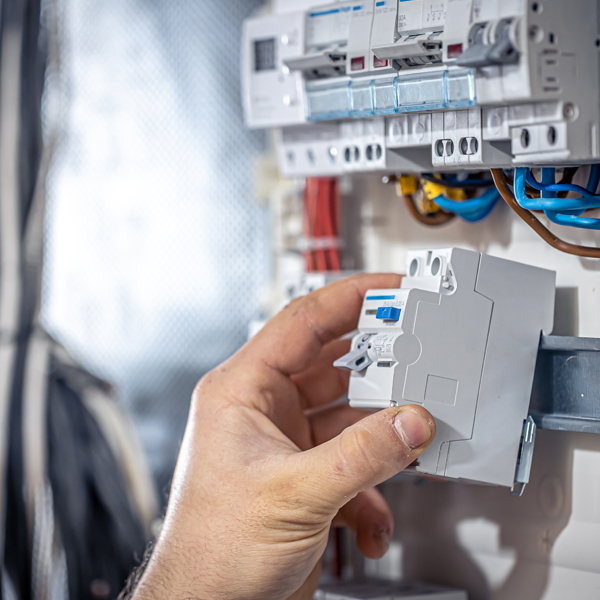
An EICR involves proper interaction with circuits and equipment. It is not just opening the consumer unit and writing details down.
If the visit looked surface level, the inspection likely was. Proper testing takes time and involves disruption, and it is noticeable.
#5) Nothing was moved or checked properly
Sockets stayed in place, appliances were not moved, and no effort was made to access anything beyond what was visible.
If that sounds familiar, parts of the installation were never checked. That is often where faults are found.
#6) It was done and dusted before you expected
If the electrician was in and out before lunch, that should raise questions. A proper inspection on a standard property does not fit into a quick morning slot.
Fast work might feel convenient at the time, but it usually means something important was missed.
#7) The price didn’t match the work
Proper inspections take time, and time has a cost attached to it. When the price only covers a short visit, that is all you are getting.
Everything else is reduced or skipped entirely. That is how these offers stay profitable.

What a Proper EICR Should Involve
The cheaper ones (often charging £75 or offering guaranteed passes) are not doing the full job. They do not have the time to test every circuit properly, so parts of the process get skipped and still end up marked as complete.
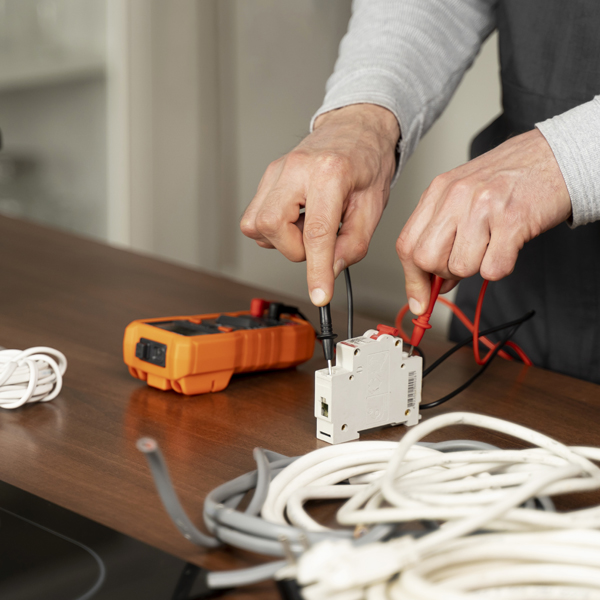
A proper EICR should involve full testing across each circuit, including continuity, insulation resistance, and fault loop impedance. That takes time, proper equipment, and access across the installation, not just a quick check at the board.
RCD testing should be carried out at multiple points, not reduced to a basic check. Access should be made where needed, not avoided.
There is a reason this matters. Analysis of electrical fire injuries found that 57.8% were linked to faulty wiring, cabling, and plugs. Many of these incidents happened at night, and over half involved smoke and toxic fumes rather than burns.
That level of risk is exactly why proper inspections take hours, and why cheap ones do not match what they should involve.
Why Outdated Electrics Still Pass Inspections
Regulations keep moving. And cheap inspections act like nothing has changed.
The 18th Edition came in 2018, followed by amendments in 2020 and 2022. Another update is already on the way, and the 19th Edition is in consultation. This shows that work done five years ago is already out of date in many cases.
That should raise a simple question. How does a system that has not been updated still pass without any issues being flagged?
Cheap inspections avoid that question altogether. Identifying outdated electrics leads to remedial work, and that breaks the idea of a guaranteed pass. So the easier route is taken.
Outdated systems get passed because no one looked closely enough to fail them. That is what a pass can hide.
A Pass Won’t Protect You If There’s a Fire
When something goes wrong, that certificate does not protect you. It only shows what you relied on.
Electrical faults still cause a large share of domestic fires. In England alone, they were behind 11,089 fires in 2023/24, nearly 18% of all cases.
These are the same faults an EICR is meant to pick up before anything happens.
If there’s a fire, the last person who tested the installation will be implicated. They’ll be held up in court if it was an electrical fire. That certificate won’t protect you if the inspection behind it wasn’t real.
The consequences don’t care about paperwork.
They care about whether the work was actually done. But people find this out when it’s already too late to fix.
What If You Don’t Trust Your EICR
If you have doubts, there is usually a reason. Ignoring it does not make it go away.
Ask for the full report, not just the certificate. Check for clear observations, proper coding, and circuit-level detail. If it looks vague or stripped back, that should raise questions.
Look at how long the inspection actually took. A 2-bedroom flat done in 90 minutes does not line up with the work involved. That gap matters.
Get it checked again if needed. Leaving it as it is means relying on something that may not have been done properly.
Conclusion
A certificate doesn’t make your property safe. The inspection behind it does. Cheap, rushed EICRs often miss the very issues they’re meant to find. That leaves you exposed, not protected.
If something feels rushed or incomplete, contact us for a free estimate. We’ll walk you through what a proper inspection should actually include.
FAQs
Can an EICR pass even if there are issues?
Yes. If testing is incomplete or rushed, defects get missed entirely. The installation still gets a pass.
How long should a proper EICR take?
It depends on the property. But thorough inspections take hours, not minutes. A 2-bedroom flat should take at least 4 hours.
What are the biggest red flags in a bad EICR?
Lack of detail. No coding. Vague wording. Very quick inspections that don’t match property size.
Is a cheap EICR always unreliable?
Not always. But extremely low pricing often correlates with reduced inspection time and quality.
What should an EICR report include?
Detailed observations. Circuit-level testing. Classification codes (C1, C2, C3). A clear next inspection recommendation.
Sources

