
















By Kyle Gamble, Lighting Expert at KG Electrical Contractors
When it comes to choosing light bulbs, it’s time to move away from the old “wattage equals brightness” mindset. Understanding lumens—the measure of light output—is key to selecting the right bulb for your space. As a lighting expert, I often see confusion around this topic, so let’s explore why wattage is less critical today and what truly matters for high-quality lighting.
Wattage: A Measure of Energy, Not Brightness
Traditionally, people relied on wattage to judge a bulb’s brightness. However, wattage only measures the energy a bulb consumes, not the actual light it produces.
Old money wattage, new money lumens. Wattage is just energy consumed, but lumens tell you the brightness.
With LED bulbs, this distinction becomes even more important. LEDs consume far less energy (watts) while delivering the same—or greater—brightness (lumens) compared to older technologies.
Why LED Lights Are So Efficient
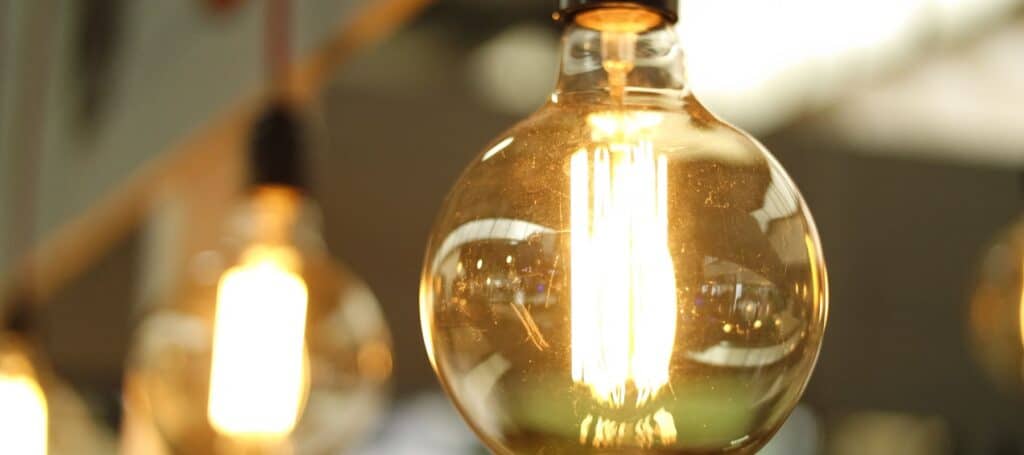
One of the main reasons LED lights are incredibly economical is their energy efficiency. Unlike traditional incandescent bulbs, which waste a significant amount of energy as heat, LEDs are designed to produce light without the excess warmth.
Old bulbs are hot, that’s why they waste electricity. LEDs, on the other hand, focus energy on light, not heat.
This efficiency not only reduces electricity bills but also makes LEDs a more sustainable choice. By minimising wasted energy, LEDs deliver brighter light while consuming only a fraction of the electricity used by traditional bulbs.
Lumens: The Real Measure of Brightness
Lumens are now the standard for determining a bulb’s brightness. Higher lumens mean a brighter light, regardless of the wattage.
For example, a 5-watt LED bulb can produce anywhere between 200 to 600 lumens, depending on its design and quality. This wide range underscores why it’s crucial to focus on lumens when selecting light bulbs.
CRI: Quality Matters Too
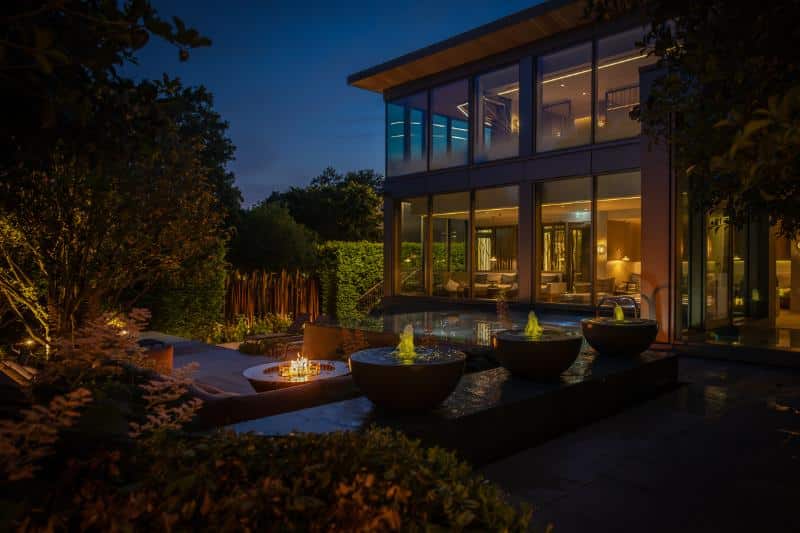
While lumens measure brightness, the quality of that light depends on the Colour Rendering Index (CRI). CRI indicates how accurately a light source reveals the true colors of objects.
CRI is about the quality of lumens—how well the light shows true colors in a room. A CRI of 80 or higher ensures more natural and pleasant lighting, making it especially important for homes, offices, and commercial spaces. High-CRI bulbs are particularly valuable for tasks like cooking, reading, and working, where true color representation is key.
Lumens vs. Watts Comparison Table
To help you better understand the relationship between lumens and watts, here’s a quick reference table:
| Lumens (Brightness) | LED Watts (Energy Use) | Incandescent Watts (Old Energy Use) |
|---|---|---|
| 450 lumens (Dim light, similar to 40W incandescent) | 4 – 5W | 40W |
| 800 lumens (Standard room light, similar to 60W incandescent) | 8 – 12W | 60W |
| 1100 lumens (Bright, similar to 75W incandescent) | 12 – 15W | 75W |
| 1600 lumens (Very bright, similar to 100W incandescent) | 15 – 20W | 100W |
| 2600 lumens (Extremely bright, similar to 150W incandescent) | 25 – 28W | 150W |
This table highlights how LED technology delivers more light with significantly less energy compared to incandescent bulbs.
Moving Beyond Wattage
Here’s why focusing on lumens and CRI over wattage makes sense:
- Energy Savings: LED bulbs use a fraction of the energy consumed by incandescent bulbs.
- Bright and Efficient: LEDs offer high lumens with minimal energy consumption.
- Better Light Quality: High CRI ensures colors are vivid and accurate, enhancing the lighting experience.
Conclusion
In today’s world of LED lighting, wattage is becoming less relevant as a measure of light quality or brightness. Instead, lumens provide a true indicator of brightness, while CRI ensures the quality of that light. By focusing on these factors, you can enjoy bright, energy-efficient lighting that saves you money and enhances your space.
For expert advice on lighting solutions, contact us at KG Electrical Contractors. Whether you’re upgrading your home or business to LED, I’m here to help you make informed choices.

