





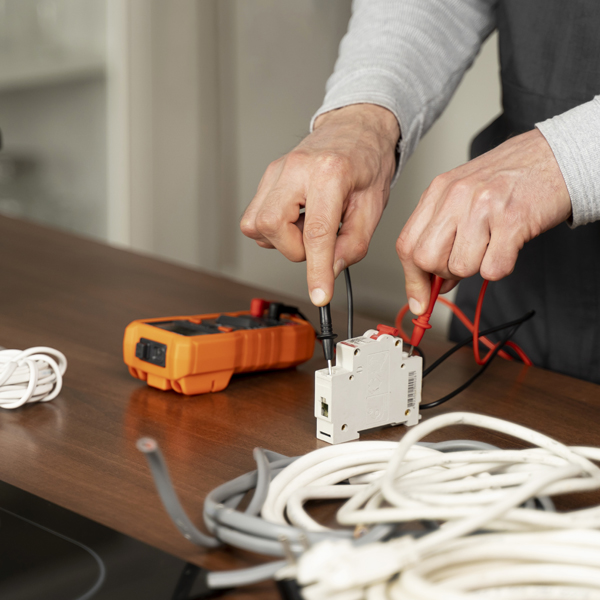
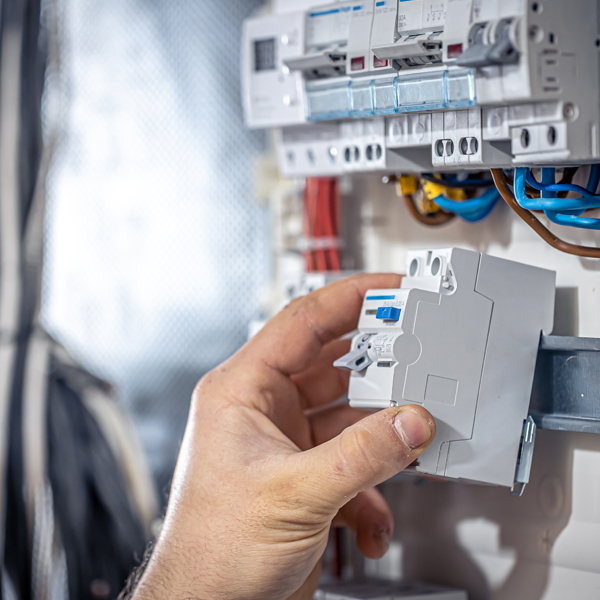














An EICR is an Electrical Installation Condition Report created after inspecting and testing fixed electrical installations to confirm they remain safe for continued use.
An Electrical Installation Condition Report checks the safety of your wiring, sockets, lighting and consumer unit after a professional inspection. For landlords, it is a legal requirement every five years. For homeowners, it is a smart way to catch hidden electrical faults early before they turn into serious fire or electric shock risks.
Key Takeaways
- An EICR identifies dangerous electrical faults, including overloaded circuits, poor earthing, and defective work that could cause fires or electric shocks.
- Landlords across the UK must arrange inspections every five years and provide reports to tenants, with penalties up to £40,000 for non-compliance in England.
- C1 and C2 codes indicate dangerous faults requiring immediate action, while C3 codes are improvement recommendations that do not fail the report.

What Is an EICR and Why Do You Need One
An Electrical Installation Condition Report EICR is an official document issued after a detailed inspection and testing of a property’s fixed electrical system. It provides a clear picture of the system’s safety and highlights any areas that need attention.
The report includes
- Faults and issues identified during the inspection
- Observations on the overall condition of the system
- The recommended date for the next inspection
Fixed electrical installation refers to the permanent parts of the system, such as wiring, sockets, light fittings, and the consumer unit, not plug-in appliances.
The purpose of an EICR is to identify risks before they become serious problems. It checks for overloaded circuits, electric shock hazards, fire risks, and defective electrical work. It also identifies issues with earthing and bonding, which are essential for ensuring protective devices work correctly when a fault occurs.
Who Needs an EICR
An EICR is required in different situations depending on property type, legal responsibility, and how the installation is used.

The sections below explain where it applies and why it matters.
Landlords and Rental Properties
Landlords renting residential or commercial properties have legal duties to arrange regular electrical inspections and provide a valid report to tenants. This ensures the installation remains safe throughout the tenancy and meets compliance standards.
Understanding full legal responsibilities is important, especially under current landlord legislation for EICR.
Homeowners Buying or Selling
Homeowners benefit from an EICR when buying or selling a property, especially if the system is older or past work was completed without proper certification.
Sellers are not legally required to provide one, but buyers increasingly request electrical testing during conveyancing to confirm the installation is safe before completing the purchase.
If you’re unsure about requirements during a sale, this guide explains whether you need an EICR to sell your house.
Commercial Property Responsibility
Commercial property owners must carry out periodic testing to meet health and safety obligations and protect staff, customers, and equipment from electrical risks.
Responsibility depends on lease agreements, building ownership, and who controls the installation.
Clarifying responsibility under different commercial lease arrangements, including landlord duties versus leaseholder obligations and how control of the installation determines who must arrange testing, ensures compliance without confusion or disputes.
Properties Without Recent Inspection
Any property where the electrics have not been inspected within five to ten years should be checked. Electrical systems deteriorate over time, and faults may not be visible without proper testing.
We carry out residential EICR electrical testing and help clarify who is responsible for EICR requirements on commercial properties, confirming exactly what action is needed and when.
What Happens During an EICR
An EICR follows a structured, step-by-step process to assess the safety and condition of an electrical installation.
Step 1: Visual inspection
The process begins with a detailed visual check to identify obvious signs of damage, wear, poor workmanship, or non compliance with current standards.
Step 2: Live testing
Controlled testing is then carried out on live circuits to ensure they function correctly. This includes checking circuit performance, protective devices, and earthing arrangements.
Step 3: Full system coverage
Key parts of the system are inspected, including wiring, sockets, switches, lighting, the consumer unit, RCDs, and bonding. This ensures the entire installation is properly assessed.
Step 4: Fault identification
Hidden issues are identified, such as deterioration, unsafe installations, or faults that may not be visible during a basic check.
Step 5: Professional assessment
Testing must be carried out by a qualified and competent electrician using the correct equipment. Simple visual checks or basic socket testers can miss serious faults that only appear under proper testing conditions.
How EICR Results Work
An EICR report explains whether an electrical installation is safe to use and outlines any issues found during testing. It uses standard classification codes to show severity, helping prioritise what needs urgent action and what can be addressed over time.
How Issues Are Classified in an EICR
Each fault is assigned a code based on risk level. These codes indicate whether a problem is dangerous, potentially dangerous, or an improvement recommendation, making it clear how urgently action is required.
Here is what each EICR code means and whether it fails the report:
| Code | What It Means | Risk Level | Fails Report? | Action Required |
|---|---|---|---|---|
| C1 | Danger present | Immediate | Yes | Urgent remedial work |
| C2 | Potentially dangerous | Potential | Yes | Work required soon |
| C3 | Improvement recommended | Low | No | Advisory only |
| FI | Further investigation needed | Unknown | Yes | Investigation then action |
These codes also create a consistent standard across all reports. This makes it easier for property owners, landlords, and electricians to understand the seriousness of each observation and decide what action should be taken next.
How the Overall Result Is Decided
The final result depends on the most serious issue recorded. If dangerous or potentially dangerous faults are found, the report is marked unsatisfactory. If not, it is considered satisfactory for continued use.
What a Satisfactory or Unsatisfactory Result Means
A satisfactory result means the installation is safe to continue using and no urgent action is required, although minor improvements may still be recommended.
An unsatisfactory result means one or more faults have been identified that require corrective work. In rental properties, these issues must be resolved within the required timeframes to meet legal obligations.
What Causes an Unsatisfactory EICR Result
An unsatisfactory result is usually caused by faults that create safety risks within the installation. Common electrical issues found during inspections often include:
- Damaged or worn sockets
- Outdated consumer units without modern protection
- Overloaded circuits carrying too much demand
- Faulty or poorly installed wiring
- Missing earthing, bonding, or RCD protection
These problems are not always visible without testing. These problems are not always visible without testing. Even everyday items like extension leads can contribute to overload and fire risk if misused, which is covered in this extension lead safety guide.
Why EICR Findings Should Not Be Ignored
Electrical faults often develop gradually and may remain hidden until proper testing is carried out. This means serious risks can exist even when an installation appears to be working normally.
UK government-backed fire data shows that electrical faults are a major cause of domestic fires. In England alone, around 18% of accidental electrical fires are linked to wiring, cabling, and plugs.
This highlights why EICR findings should never be ignored. Identifying and correcting faults early helps reduce the risk of fire, electric shock, and further damage to the property.
How Much Does an EICR Cost
There is no fixed price for an EICR, as costs depend on property size, number of circuits, and location. Government estimates suggest around £160 per property in England, while Northern Ireland guidance references about £200. Actual prices vary with complexity and regional labour rates. Any faults found will require additional remedial work, increasing the total cost.
The table below shows typical EICR pricing based on property type:
| Property Type | Typical Cost Range | Testing Time |
|---|---|---|
| Small flat (1–2 bed) | £120 – £160 | 2 – 3 hours |
| Medium house (3–4 bed) | £150 – £200 | 3 – 4 hours |
| Large house (5+ bed) | £200 – £300 | 4 – 6 hours |
| Commercial premises | £250+ | Varies |
| 1 bedroom flat or studio | £80 – £120 | 1.5 – 2.5 hours |
| HMO or multi-occupancy property | £250 – £400+ | 4 – 8 hours |
These figures represent inspection and testing only. Remedial work to fix faults adds to the total depending on what needs correcting. Minor fixes cost under £100 while major consumer unit replacements or rewiring work run into hundreds or thousands of pounds.
EICR Regulations Landlords Need to Follow
Landlords in England must provide the report to existing tenants within 28 days of completion. They must give it to new tenants before they move in. Remedial work must be completed within 28 days unless the report or guidance requires it sooner.
England’s EICR landlord regulations set inspection frequency at every five years as a legal minimum for private rented properties. Scotland’s electrical safety guidance requires landlords to ensure an EICR is completed every five years with RCD protection in the main or principal consumer unit. C1 and C2 findings must be rectified.
Wales electrical safety requirements mandate an electrical safety test at least every five years to confirm the installation is safe for continued use. Northern Ireland regulations require inspections at least every five years from April 2025 for new tenancies and December 2025 for existing tenancies.

Reports must be supplied to tenants and councils on request. Local councils in England may impose financial penalties up to £40,000 for breaches of the regulations.
Conclusion
An EICR is a safety and compliance check that identifies hidden electrical risks before they cause fires, shocks, or legal problems. The report is essential for landlords meeting legal duties and valuable for homeowners protecting property and occupants.
Get a free estimate or contact us to book your EICR inspection with qualified electricians who deliver clear reports and professional remedial work when needed.
FAQs
How long does an EICR take?
A standard domestic EICR takes two to four hours, depending on property size and circuit count. Commercial inspections vary more widely based on installation complexity.
How often do landlords need an EICR?
Landlords across the UK need an EICR every five years as a legal minimum. Some properties require more frequent inspection depending on use or condition.
Can a property fail an EICR if everything still works?
Yes. Dangerous faults such as missing RCD protection or poor earthing can exist even when sockets and lights appear to work normally.
Do I need an EICR to sell my house?
Not legally required for homeowners, but buyers increasingly request one during conveyancing. Understanding whether you need an EICR to sell your house helps avoid delays during sale negotiations.
What happens after a failed EICR?
Remedial work must be completed to fix C1 and C2 faults. A retest or partial inspection then confirms the problems have been resolved properly.
Sources
1. https://researchonline.ljmu.ac.uk/
2. https://www.aci.org.uk/
3. https://www.legislation.gov.uk/
4. https://www.gov.scot
5. https://www.gov.wales/

