

















- Content updated on
- April 29, 2026
Responsibility for an EICR in a commercial property sits with whoever controls the electrical installation. In most cases, landlords are responsible for common areas and vacant units, while tenants are responsible for the electrics within their own premises. An EICR is the standard way to show the system has been inspected and is safe, identifying any defects, wear, or risks that could lead to electric shock or fire.

What Is an EICR for Commercial Properties?
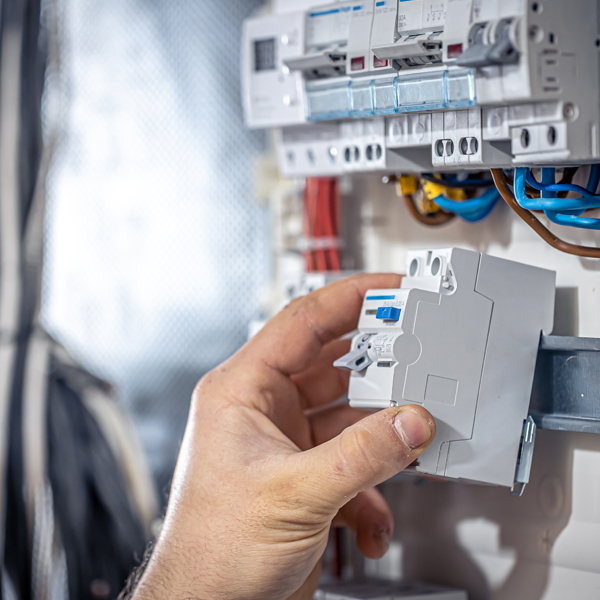
An Electrical Installation Condition Report, or EICR, is a formal inspection and test of a property’s fixed electrical installation. This includes wiring, circuits, distribution boards, and other permanent electrical systems.
The purpose of an EICR is to assess whether the installation is safe for continued use and to identify any damage, deterioration, or defects that could pose a risk. It also highlights anything that does not meet current wiring standards and provides a record of the system at the time of inspection.
In simple terms, it is a detailed safety check that helps ensure your electrical systems remain safe and compliant.
Is an EICR a Legal Requirement for Commercial Buildings?
There is no single law that requires all commercial properties to have an EICR at a fixed interval. However, UK law requires electrical systems to be maintained so they do not present danger.
Because of this, regular inspection and testing is expected in practice. An EICR is the recognised way to demonstrate that an installation has been properly checked and is safe.
In rented properties, the law is more specific. Landlords must have electrical installations inspected and tested by a qualified person at least every five years and provide a report to tenants.
Even though there is no single law requiring EICRs for all commercial properties, businesses still have a legal duty to ensure electrical systems are safe. An EICR is the most widely accepted way to demonstrate that this duty has been met. It provides documented evidence that the installation has been inspected, tested, and maintained in line with safety standards. Without this evidence, it can be difficult to prove compliance if an incident occurs.
Who Is Responsible for an EICR in Commercial Properties?
Responsibility for an EICR comes down to control.
Whoever controls the electrical installation is responsible for ensuring it is safe. In commercial properties, this is often shared between landlords and tenants, with the exact split defined by the lease.
Landlords and Property Owners
If you are a landlord, you are typically responsible for electrical systems in areas you control. This includes common areas, plant rooms, risers, and vacant units.
You also have a responsibility to ensure the installation is safe at the start of a tenancy and remains safe throughout.
Commercial Tenants (Leaseholders)
If you are a tenant, you are usually responsible for the electrical installation within your own premises, depending on the lease.
This often includes maintaining the system, arranging inspections where required, and dealing with any remedial work. As the person operating the workplace, you also have a duty to ensure electrical systems are safe for employees and visitors.
Facilities Managers and Duty Holders
Facilities managers may organise inspections, maintain records, and arrange remedial work.
However, they act on behalf of the duty holder. Legal responsibility remains with whoever controls the electrical installation.
How Lease Agreements Affect EICR Responsibility
Lease agreements play a key role in determining responsibility. They define who is responsible for maintaining, inspecting, and repairing electrical systems across different parts of the property.
In most cases, landlords retain responsibility for shared infrastructure, while tenants take responsibility for electrical systems within their unit. It is important to review the lease carefully to avoid gaps in responsibility.
EICR Responsibilities in Different Commercial Settings
Offices and Retail Units
In offices and retail spaces, tenants are typically responsible for their internal electrical systems, while landlords manage shared services in communal areas.
Industrial and Warehouse Buildings
In industrial environments, electrical systems are often more complex and subject to heavier use. Responsibility usually sits with the occupier, particularly where machinery and specialist equipment are involved.
Mixed-Use Properties
In mixed-use buildings, responsibility is often split between commercial units, residential areas, and shared systems. Clear allocation of responsibility is essential to maintain safety.
How Often Should a Commercial EICR Be Carried Out?
There is no fixed legal interval for commercial EICRs. The frequency depends on the condition of the installation, how it is used, and the level of risk.
Inspection should be carried out at suitable intervals to ensure the system remains safe. Electrical Safety First guidance makes clear that inspections are used to detect wear, damage, and risks that could develop over time.
What Affects EICR Frequency?
The frequency of an EICR is not fixed and should be based on risk.
Factors that influence how often inspection is needed include the age of the installation, how heavily it is used, and the environment it operates in. For example, industrial sites or locations with heat, moisture, or heavy equipment may require more frequent testing.
Electrical Safety First guidance highlights that electrical systems deteriorate over time, so regular inspection is essential to detect wear, damage, and potential hazards early.
What Happens If You Don’t Have a Valid EICR?
If electrical systems are not properly maintained, this can lead to safety risks and potential legal consequences.
Without inspection and testing, faults may go unnoticed, increasing the risk of electric shock or fire. An EICR provides evidence that the installation has been checked and is safe, which is important for demonstrating compliance and protecting occupants.
What Does a Commercial EICR Involve?
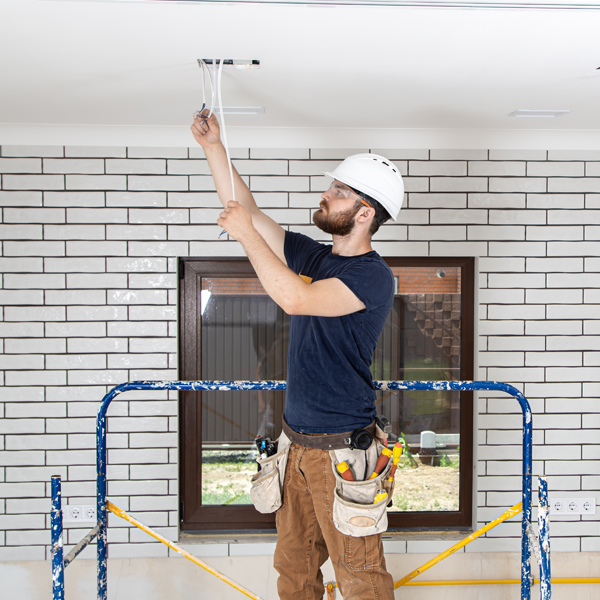
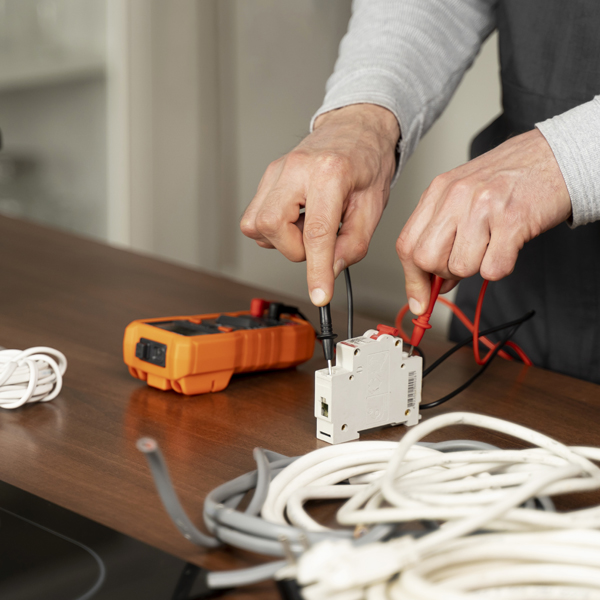
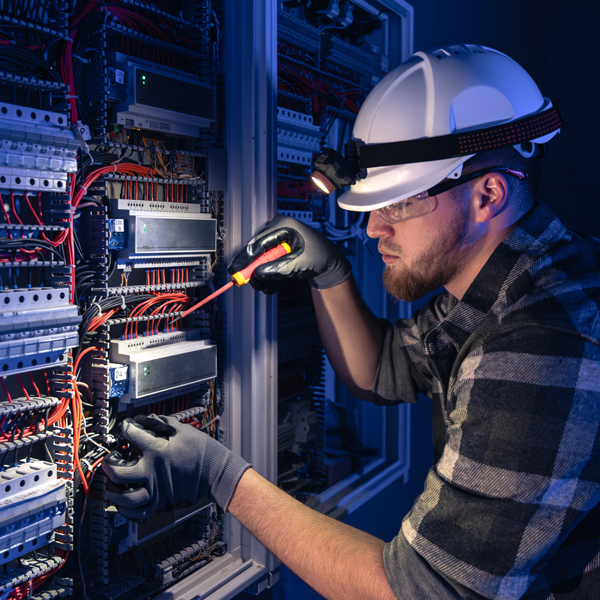
An EICR involves a detailed inspection and testing process carried out by a competent electrician.
The inspection will check for overloaded circuits, potential electric shock risks, defective work, and issues with earthing and bonding. It also tests wiring and fixed electrical equipment to confirm they are safe.
Any issues are recorded and classified based on severity, and the report confirms whether the installation is safe or requires remedial work.
| Code | Meaning | Risk Level | Action Required | Report Outcome |
|---|---|---|---|---|
| C1 | Danger present | Immediate risk of injury or fire | Immediate action required. The inspector may make the installation safe before leaving | Unsatisfactory |
| C2 | Potentially dangerous | Risk could occur under fault conditions | Urgent remedial work required | Unsatisfactory |
| C3 | Improvement recommended | Not dangerous but below current standards | No immediate action required, improvement advised | Satisfactory (if no C1, C2, or FI) |
| FI | Further investigation required | Safety cannot be confirmed without further checks | Further investigation required without delay | Unsatisfactory |
Signs You May Need an EICR Sooner
You should not always wait for a scheduled inspection. In some cases, an EICR may be needed sooner.
Common signs include frequent tripping of circuits, flickering lights, burning smells, or visible damage to sockets and wiring. Older installations or systems that have not been inspected for several years should also be checked.
Electrical Safety First highlights that damage and wear are not always visible, which is why periodic inspection is important even if no obvious faults are present.
How to Stay Compliant with Electrical Safety Regulations
To stay compliant, you need to understand who controls each part of the electrical installation and ensure it is properly maintained.
This includes arranging regular inspections, using competent electricians, and addressing any issues identified in the report. Keeping clear records is essential, as an EICR provides evidence that your electrical systems are being maintained safely.
What Records Should You Keep?
Keeping proper documentation is an important part of electrical safety compliance.
You should retain copies of all EICR reports, records of any remedial work carried out, and details of previous inspections. These documents provide evidence that the electrical installation has been maintained safely and can be important if requested by insurers or regulators.
Choosing a Qualified Electrician for Commercial EICRs
An EICR should only be carried out by a competent and qualified electrician.
Electrical Safety First recommends using a registered electrician, as they are assessed against UK standards and work to recognised safety regulations such as BS 7671.
Using a qualified professional ensures the inspection is carried out correctly and safely.
Get a Commercial EICR with KG Electrical Contractors
If you need a commercial EICR, working with an experienced electrical contractor for EICR testing ensures the process is handled correctly from start to finish.
At KG Electrical Contractors, we carry out thorough inspection and testing, provide clear and compliant reports, and guide you through any remedial work required.
Whether you are a landlord, tenant, or managing agent, we help you stay compliant and keep your electrical systems safe.


Explore lighting inspiration and ideas from our completed projects. Download the free eBook to transform your outdoor spaces!